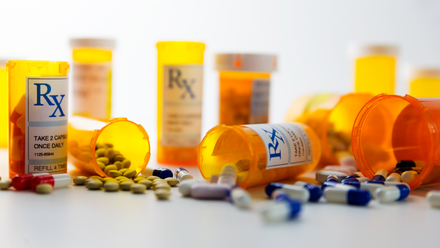
A recent report from the US Pharmacopeia (USP) reveals that drug shortages decreased by 23% in 2025; however, the duration of shortages is on the rise. Over 64% of the drugs that are currently in shortage have been unavailable for more than three years, and 39% have been in shortage for over five years.
The European Medicines Agency (EMA) has published a document detailing its methodology for monitoring potential vulnerabilities in the medicine supply chains. The agency said its new framework is intended to prevent potential shortages of drugs considered especially important on the Union List of Critical Medicines (ULCM).
The US Food and Drug Administration (FDA) has issued a draft guidance to industry that specifies where sponsors should submit 'cross-center” master files (MFs) that are referenced and intended to support more than one regulatory submission. The guidance applies to combination products and non-combination products.
The World Health Organization (WHO) issued an alert on Monday identifying oral cough syrups manufactured in India that contain diethylene glycol (DEG), a substance typically used as an industrial solvent and in antifreeze. According to the BBC, at least 20 children in India have died after ingesting these cough syrups.
The United States tends to source finished dosage forms (FDFs) of antibiotic products from many different countries while relying on China for a majority of imported active pharmaceutical ingredients (APIs), according to recent research published in JAMA Health Forum.
As a part of the effort, IPC created a short film on PvPI, a pharmacovigilance comic published in multiple vernacular languages to enhance public awareness, and a new online reporting platform designed for easy access through a QR code.
Supply chain experts reported that most distributors were able to meet the enhanced tracing requirements outlined in the Drug Supply Chain Security Act (DSCSA) by the 27 August deadline. After this date, only serialized data can be exchanged for every transaction and wholesalers must have the systems in place to handle electronic data on each product transfer.
Malaysia's Medical Device Authority (MDA) and Singapore's Health Sciences Authority (HSA) unveiled a pilot program that could accelerate access to Class B, C, and D medical devices. The pilot program begins on 1 September and runs through 28 February.
Most pharmaceutical manufacturing facilities in the US are situated in regions prone to hurricanes, wildfires, and other natural disasters, placing the supply chain in significant jeopardy, according to a research letter published in JAMA.