
Lisa Wright on the evolution of rare disease regulatory policy and what comes next
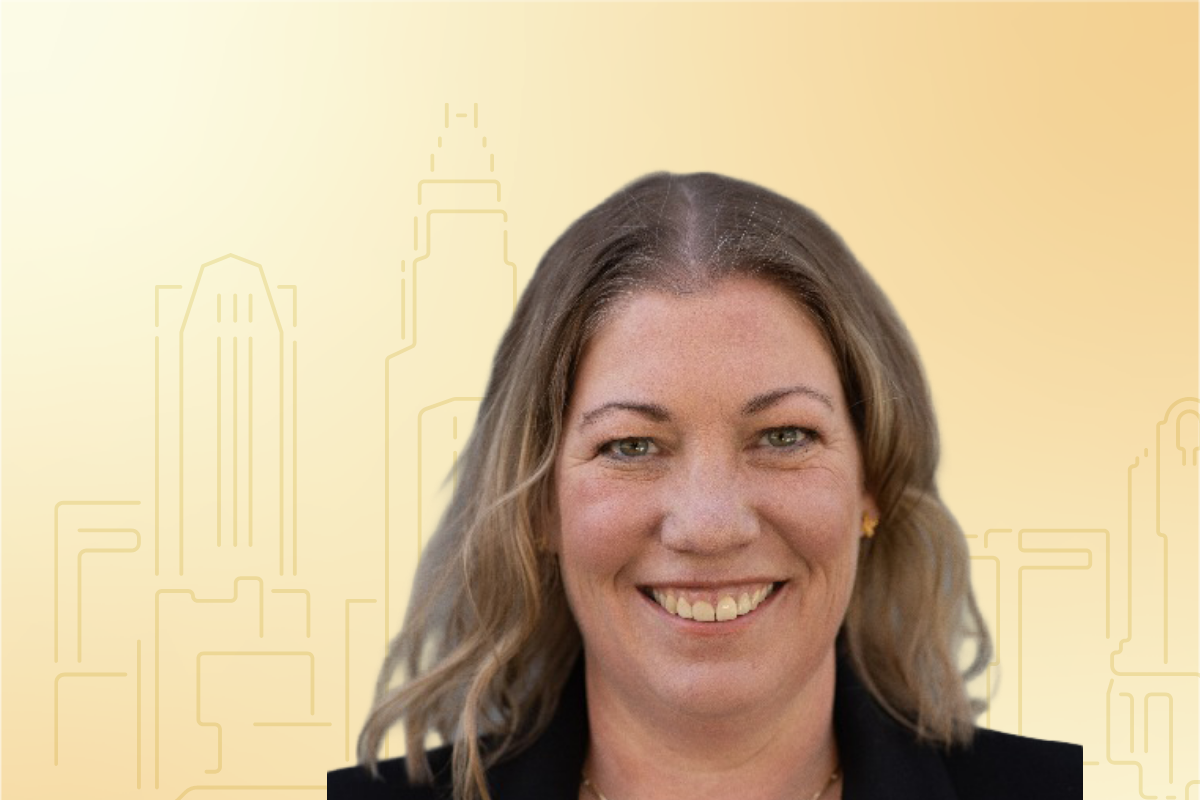
RAPS Convergence is where the world’s regulatory affairs community gathers to share expert insights and create meaningful connections. We’re talking to the speakers behind this year’s event to get the inside scoop on the topics everyone will be talking about and their tips for making the most of your week. Next up: Lisa Wright, director of regulatory policy at Novo Nordisk.
What is your current role?
I am a director of regulatory policy with a focus on US FDA policy. The big areas I focus on are rare diseases, patient-focused drug development, CMC, and devices. It's kind of a broad spectrum, but rare disease is very much a focus of my policy and advocacy work. Through that, I engage in PhRMA and BIO as well as CPATH to move our rare disease advocacy forward.
How did you make your way to the regulatory policy and intelligence space within rare diseases?
I started my career at the National Cancer Institute within NIH, and after working for 11 years at a very micro level, I got kind of burned out on the lab. I wanted to transition to something where I could use my scientific background in a less lab-focused space. I was able to find a position at a consulting firm that did regulatory affairs for orphan products, which introduced me to the rare disease space. A lot of our bread and butter was writing orphan drug designations, both for FDA and EMA. That allowed me to still rely on my scientific background, but in a more regulatory area. That’s where my interest in rare disease really started.
From there, I moved on to a consulting firm, where my primary clients were CDER and CDRH. Some of my projects were related to user fee work, which introduced me to regulatory policy. When a role at Novo Nordisk opened up, it was a nice marriage of both interests: regulatory policy and rare diseases.
Navigating the New US and EU Rare Disease Regulatory Framework and Global Harmonization Efforts
Session leader:
Lisa Wright, MS, RAC, Director Regulatory Policy at Novo Nordisk
Presenters:
Carolyn K. Shore, PhD, Global Health Lead at The National Academies of Sciences, Engineering, and Medicine
Cara Tenenbaum, Director of Regulatory Affairs at the National Organization for Rare Disorders
Scott Winiecki, MD, Lead Medical Officer, Rare Disease Team in the Office of New Drugs, Center for Drug Evaluation and Research at the US Food and Drug Administration
Tomas Pose, PhD, Scientific Administrator at the European Medicines Agency
This session will assess the evolution of global orphan drug development and explore how regulatory frameworks can continue to support innovation, maximize opportunities, and overcome challenges, including the significance of the Pediatric Rare Disease Priority Voucher Program in advancing treatments for rare diseases through global collaboration.
How has the area of rare disease involved in the time you have been working in it?
I do think it has just become more accessible across the globe. More regulators are thinking about these diseases in a way that they didn't think of before. We are becoming more comfortable with smaller patient populations.
I think there is still a lot to be done when it comes to the patient voice and relying on that patient perspective data globally, but I think when it comes to actually operationalizing a rare disease trial, that has become a little bit easier on a global scale.
I would like to see regulators get more comfortable with patient experience data. Hopefully efforts by ICH, like the new guidance E22 on patient preference information, will help drive that globally. But this is an evolving space, so there is still a lot of education that needs to occur on a global basis.
You are leading the session, Navigating the New US and EU Rare Disease Regulatory Framework and Global Harmonization Efforts. What can people expect?
We are really looking to explore the challenges and opportunities there are between US FDA and EMA in the rare disease space and where we see the evolution of rare diseases going. I'm excited to talk about things like:
-
What are the different data sets that are utilized by one regulator versus the other?
-
What is the use of AI looking like in the future?
-
How do we operationalize model of baby KJ for the future?
Those are some of the high-level topics that we will be covering during the discussion. I'm very excited that we have representatives from FDA, EMA, and patient organizations to help drive this conversation. And both the FDA and EMA representatives work on joint collaboration between those agencies and Health Canada. It's nice to have people who are involved in those joint discussions as part of our panel.
What different perspectives do these presenters bring?
We have representatives from FDA, EMA, the National Academies of Sciences, and a patient representative organization. From the regulators, both our panelists are involved in the collaboration that occurs between EMA and FDA in the orphan space, so they will be able to speak to hands on experience in establishing that environment.
This will be your first time at RAPS Convergence. What are you looking forward to?
I’m really looking forward to networking and educating myself on topics that I don’t often get to hear much about. I also excited to be in Charlotte, it is a fun town with lots of great restaurants.
And while I have not been to this event before, my advice to anyone attending is this: wear comfortable shoes.
Boldly look forward at what's next in regulatory affairs
RAPS Convergence 2026 is where the global regulatory affairs community makes vital connections and learns from experts. See what this year's special 50th anniversary event has in store.