
Sai Bhamidipati on the ‘new era’ of digitizing CMC
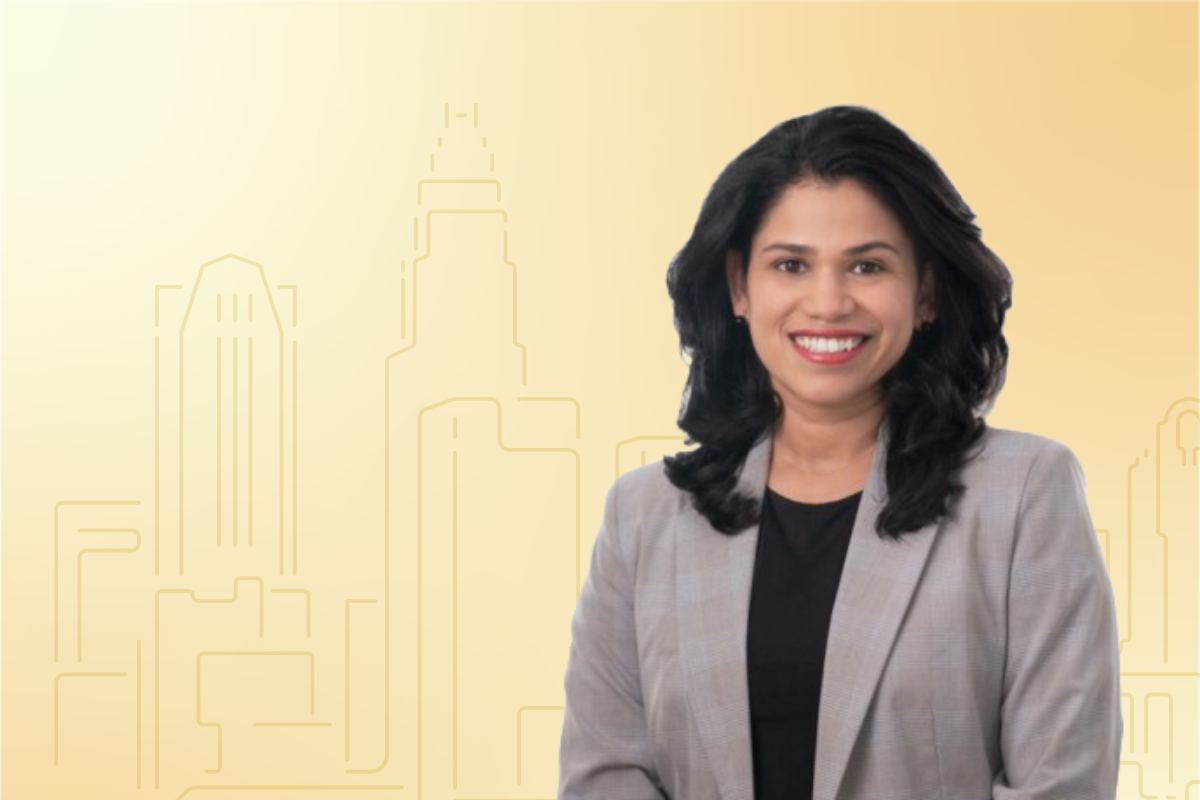
RAPS Convergence is where the world’s regulatory affairs community gathers to share expert insights and create meaningful connections. We’re talking to the speakers behind this year’s event to get the inside scoop on the topics everyone will be talking about and their tips for making the most of your week. Next up: Sai Bhamidipati, regulatory CMC director at Moderna.
You have spent your career working in chemistry, manufacturing, and controls (CMC). What drew you to CMC specifically?
I earned my undergrad degree in pharmacy and then did my master’s in regulatory affairs with the goal of combining technical expertise and strategic expertise. CMC is a very complex area to be in, and regulatory CMC is a niche area. I wanted to be in a challenging role where I got a chance to work with scientists and amazing CMC people who always keep us regulatory people on our toes. You will hear throughout the industry that CMC is often needed yesterday and it's not done tomorrow. I found that challenge very exciting, and that’s why I’ve spent my career in this space.
Sai's session at RAPS Convergence 2026:
ICH M4Q(R2) as the Inflection Point: Digitizing CMC Submissions and Operationalizing Responsible AI/ML
Panelists:
Sai P. Bhamidipati, Director, Regulatory CMC at Moderna
Lawrence Yu, Director, Office New Drug Products at FDA's Center for Drug Evaluation and Research
Colin D. White, Founder and Principal at Middlesex Consulting Group
David Murray, VP, Regulatory Science - CMC (Biologics) at Parexel
Omar Tounekti, Manager, Biologic and Radiopharmaceutical Drugs Directorate at Health Canada,
The ICH M4Q(R2) draft guideline updates the Common Technical Document on quality by revising Module 2.3 and Module 3 to better support efficient assessment and lifecycle management. This panel brings together regulatory and industry perspectives to address two practical questions: what does “digitization-ready granularity” mean for CMC operating models, and where can AI/ML can responsibly accelerate transition?
Your RAPS Convergence session is ICH M4Q(R2) as the Inflection Point: Digitizing CMC Submissions and Operationalizing Responsible AI/ML. What inspired you to propose it?
This is one of the latest and greatest guidances that's having an impact on our industry. We've been working with an M4Q guidance thus far that has shaped all of our documentation. Over the last few years, the amazing team working on this guidance has done a phenomenal job of putting it out. We are now entering a new era with this guidance, and I wanted to hear directly from the people who worked on it. At this session, you will hear their thoughts on how this guidance should be implemented. I find that hearing these details from more of an industry perspective and what the impact could be and really give people an opportunity to hear more.
You mention in the description that you want people to be able to leave with “low-regret” machine learning use cases. Why is that?
I’m interested in helping people find the low-hanging fruit when it comes to AI and machine learning. By that I mean finding ways to implement something quickly without expanding a lot of energy and a lot of money. That's the value proposition in any kind of implementation of processes. If you fail, you want to fail cheap, fail fast, and then pivot quickly enough. Then you can go back to your company to identify potential use cases.
You’re also hosting a preconference workshop: Briefing Books that Work: A Storyboarding Method for Meetings, Scientific Advice, and AdComs. What inspired you to propose this session and what will someone walk away with after attending?
I've been working a lot with novel therapeutic areas and novel modalities in the CGT and mRNA space. How you craft your briefing book is so important because it's becoming more and more crucial to bring health authorities on board with your story so that you can bring these products onto market without any delays.
All the presenters are incredibly experienced individuals who will bring such depth of experience, which will help all of us get more of these products onto market in a seamless way and have positive interactions with health authorities.
What’s one thing you are looking forward to at RAPS Convergence 2026?
I’m looking forward to all the wonderful sessions, but the networking at RAPS Convergence is my favorite part. Some amazing people are coming to this conference, and I’m really looking forward to seeing everyone.
What's one piece of advice you'd give someone who's attending this event for the first time?
As someone who attended my first RAPS Convergence with no idea of how to approach people: just walk up to someone and introduce yourself. In regulatory affairs, we often get stuck in our own heads. “Oh my god, if I just approach that person, would they talk to me?” Don't worry, everyone else is looking for somebody to break the ice. Just walk up and say hello. People will welcome the effort.
Boldly look forward at what's next in regulatory affairs
RAPS Convergence 2026 is where the global regulatory affairs community makes vital connections and learns from experts. See what this year's special 50th anniversary event has in store.