FDA unannounced foreign inspections in China and India increased in FY 2026
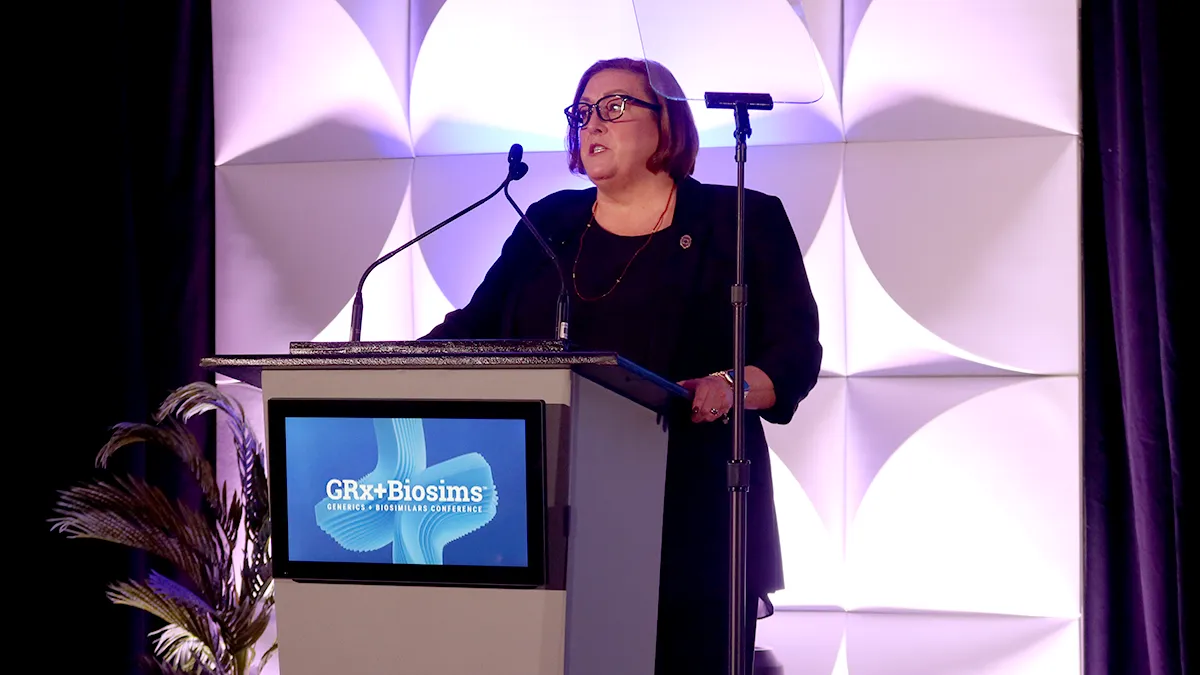
BETHESDA, MD – A top US Food and Drug Administration (FDA) enforcement official announced that the agency conducted more unannounced drug inspections in India and China in FY 2026 compared to the previous year.
The increase is attributed to an effort by the agency to increase unannounced foreign inspections to achieve inspection parity between domestic and international facilities.
“For generic drugs and biosimilars, this is not an abstract policy issue. The manufacturing network serving US patients is global, and pharmaceuticals serving the same market should be held to the same expectations. That is why the FDA has substantially increased the use of unannounced inspections overseas,” Elizabeth Miller, associate commissioner for inspections and investigations at FDA’s Office of Inspections and Investigations, said during a presentation at the Association for Accessible Medicines (AAM) GRx+Biosims conference on Tuesday.
This year's major focus has been on achieving equality between domestic and foreign oversight, Miller said.
According to Miller, the proportion of unannounced inspections in India increased from 47% in FY 2025 to 87% in FY 2026. In China, the percentage of unannounced inspections rose from 19% in FY 2025 to 61% in FY 2026.
“The point is not to surprise for surprise’s sake. The point is to observe ordinary operating conditions, to strengthen confidence in the evidence we collect, and create a more level inspections posture between the domestic and foreign facilities,” she said.
In May 2025, FDA announced its plans to expand efforts for unannounced inspections of foreign manufacturing facilities that produce medical products and food. (RELATED: FDA to expand unannounced foreign inspections after Trump executive order, Regulatory Focus 6 May 2025).
Lawmakers have long been critical of FDA’s foreign inspection program and have argued that giving foreign manufacturers advance notice of inspections is unfair to domestic manufacturers, who are subject to unannounced visits.
Miller noted several challenges in its foreign inspections program, including difficulties in obtaining visas for staff, securing laboratory support, and ensuring safe security conditions in the countries where inspectors will operate.
“I recognize the concern that increasing these unannounced inspections can create practical challenges particularly at global sites where key personnel and translators may not be immediately available, but the answer can’t be to recreate these long and advance notice models that undermines the value of seeing ordinary operations,” Miller said.
She added that “our inspectors and support teams have pushed hard to expand our coverage despite these constraints, and I am proud of the progress we have made.”
In recent years FDA has placed a greater emphasis on foreign inspections. According to FDA's annual report on the state of quality in FY 2024, over 62% of drug quality assurance inspections in FY 2024 took place at foreign sites, which marks an all-time high. This trend in foreign inspections was particularly pronounced in India and China, where 34% and 28% of the sites were inspected, respectively. In comparison, only 24% of the US sites were inspected in FY 2024.