

FDA issues draft guidance on assessing container and closure systems for drugs and biologics
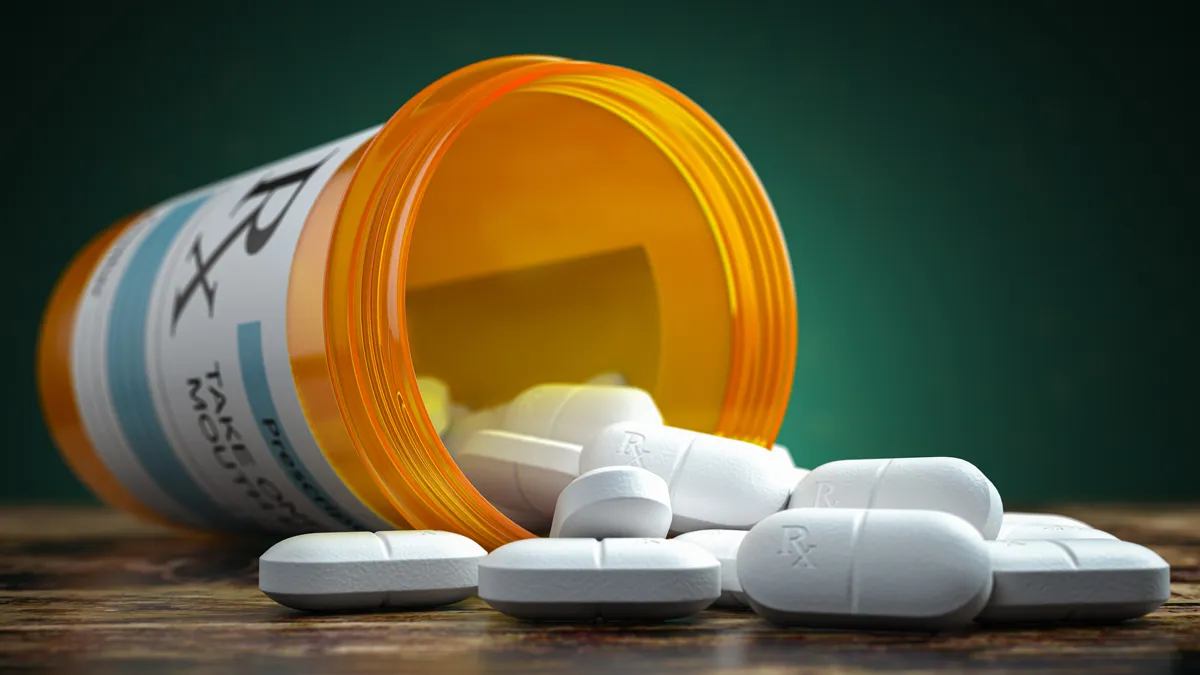
The US Food and Drug Administration (FDA) has updated its guidance for the industry on assessing the quality and safety of container and closure systems (CCS) used to package new drugs and biologics. This marks the first update from the agency in 27 years.
The updated guidance applies to new drug applications (NDAs) and biologics license applications (BLAs), as well as amendments and supplements to approved applications for human drug and biological products. It also includes combination products.
The guidance replaces a former version issued in May 1999. The agency notes that advancements in the design, construction, and evaluation of CCSs require an updated approach to assessing these systems. This revision also aligns with recent updates in the United States Pharmacopeia (USP) general chapters and the National Formulary (USP-NF) concerning the storage and distribution of pharmaceutical products.
It will also replace a question-and-answer guidance on container closure systems for packaging human drugs and biologics, issued in May 2002. The release of the document follows a final guidance on container closure systems for biosimilar products was issued in late July (RELATED: FDA drafts guidance on container closure systems, device constituents for biosimilars, Regulatory Focus 31 July 31).
The update emphasizes a more comprehensive, risk-based approach to assessing the safety and quality of CCS than the 1999 guidance.
The guidance defines a CCS as “the sum of packaging components that together contain and protect a drug. It includes the primary packaging components, and it also includes the secondary packaging components if their purpose is to further protect the drug.”
The guidance states that "a suitable framework for evaluating the quality of a CCS should utilize a risk management process.” This process should begin with assessing the CCS used for a specific drug, and should consider the selected materials of construction (MOC), the drug's manufacturing processes, and its clinical use. Potential risks associated with the CCS should be thoroughly identified and characterized based on these assessments. For instance, interactions between drugs and packaging materials could lead to leachables that may result in unintended chemical toxicity.
The guidance specifies that recycled plastic should not be used in the manufacture of a primary packaging component. If used for secondary packaging, then the safety and compatibility of the material should be addressed.
The risk assessments should also evaluate the safety of packaging materials. The guidance specifies that packaging components should be made from materials that will not leach harmful or undesirable substances to which a patient may be exposed during treatment with the drug.
FDA specifies in the guidance that an adequate CCS must also safeguard against external contaminants and should prevent leakage. Additionally, it should protect against light exposure, solvent loss, and physical stress during transportation and storage. It must also guard against exposure to reactive gases such as oxygen, absorption of water vapor, and the ingress of microbial contaminants.
The guidance indicates that inhalation products pose a significant level of concern for patients with compromised lung function, such as those with asthma or chronic obstructive pulmonary disease (COPD), as they may inhale substances leached from packaging materials directly into their lungs. However, the risk associated with product interactions with the container closure system (CCS) can vary depending on the products’ dosage forms.
The guidance states that the assessment of extractables and leachables is a crucial part of evaluating the suitability of a CCS. These studies, along with related toxicological assessments, should be conducted for any drug that may interact with its packaging components. These risk assessments should be performed on a case-by-case basis.
FDA states in the guidance that a shipping study may be recommended for assessing the integrity of the CCS after the drug has been transported from its manufacturing site to its final destination, such as a packaging and labeling center, storage facility, or distribution center. This assessment should use the intended commercial shipping method and adhere to the recommended storage conditions.
The guidance includes an overview of the typical quality assessments for qualifying CCSs for different classes of drug products.
The deadline for submitting comments is 13 October. Comments should be sent to www.regulations.gov and reference Docket No. FDA-2026-D-7957.
