

Biosimilars: FDA finalizes guidance on postapproval manufacturing changes
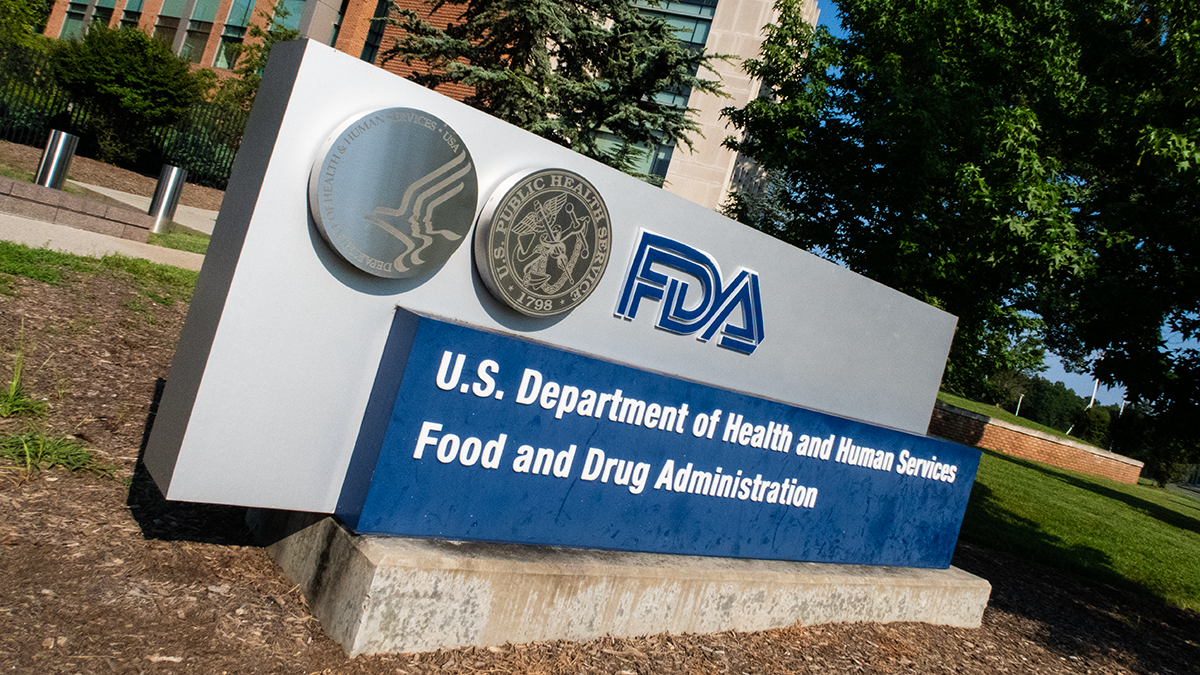
The US Food and Drug Administration (FDA) last week finalized its guidance on postapproval manufacturing changes for biosimilars to better align with international guidelines and to better address manufacturing changes for interchangeable products, which were not addressed by earlier guidance.
FDA updated and finalized its 2024 guidance entitled "Postapproval Manufacturing Changes to Biosimilar and Interchangeable Biosimilar Products: Questions and Answers," which answers several commonly asked questions about how the agency intends to regulate biosimilar and interchangeable biosimilar products. The agency said the changes are intended to harmonize with principles set in the International Council for Harmonisation (ICH) guidance for industry entitled "Q5E Comparability of Biotechnological/Biological Products Subject to Changes in Their Manufacturing Process."
"This draft guidance is intended to inform applicants on the nature and type of information, for different reporting categories, that applicants should provide to support manufacturing changes to licensed biosimilars and licensed interchangeable biosimilars," said FDA in a Federal Register notice.
Besides harmonizing with the ICH Q5E principles, FDA also noted that the final guidance clarifies recommendations for leveraging comparative analytical assessment data from an original 351(k) biologics license application (BLA). More specifically, it includes new product quality data considerations when submitting information that manufacturers should provide to FDA for different reporting categories to support postapproval manufacturing changes to licensed biosimilar products and licensed interchangeable biosimilar products.
"The postchange biosimilar or interchangeable biosimilar product should be evaluated at the process step most appropriate to detect a change in the quality attributes," said FDA in the final guidance. "This may entail comparisons at multiple stages of manufacture.
"For instance, if the change occurred in the manufacture of the drug substance and the change could impact the drug product quality attributes, it may be appropriate to evaluate intermediates, the drug substance, and the drug product to support the determination of comparability," the agency added.
FDA also updated its recommendation on the reference materials applicants should include in their comparability exercise. The agency said that the applicant should include well-qualified in-house reference material that serves as an important calibration point in the comparability exercise, supporting the conclusion that the post-change biosimilar or interchangeable biosimilar remains comparable to the pre-change product.
"If applicants submit sufficient data to demonstrate comparability, supporting that the manufacturing change(s) will have no adverse impact on the quality, safety or efficacy, including immunogenicity, of the postchange product, FDA will generally consider the data adequate to support the change without the inclusion of reference materials beyond the in-house reference material in the comparability exercise," said FDA. "When differences in the quality attributes are observed between the prechange and the postchange materials that may preclude a demonstration of comparability based solely on the comparison of the prechange and postchange materials, one approach to assessing the potential impact and acceptability of these differences would be to use the [comparative analytical assessment (CAA)] data from the reference product that were submitted to support the original licensure of the biosimilar or interchangeable biosimilar product to inform a justification for the comparability of the postchange product."
Additionally, FDA made edits to question 4 on the nature and type of information that the agency recommends applicants provide to support approval of a supplement for a dosage form or a strength that has not previously been licensed under the 351(k) BLA to make its recommendations clearer.
Alongside the publication of the final guidance, FDA updated its separate guidance on biosimilar development under the Biologics Price Competition and Innovation (BPCI) Act of 2009 to remove question I.20, which addressed postapproval manufacturing changes. FDA said it removed the question as it did not provide recommendations related to interchangeable products due to having “limited experience” with interchangeable products at the time the BPCI guidance was issued.
"FDA has since determined that the principles that apply to manufacturing changes for biosimilars are relevant to interchangeable biosimilar products,” the agency wrote.
Postapproval manufacturing changes guidance, BPCI Act guidance