FDA names permanent CDER, CBER directors, new deputy commissioner for AI
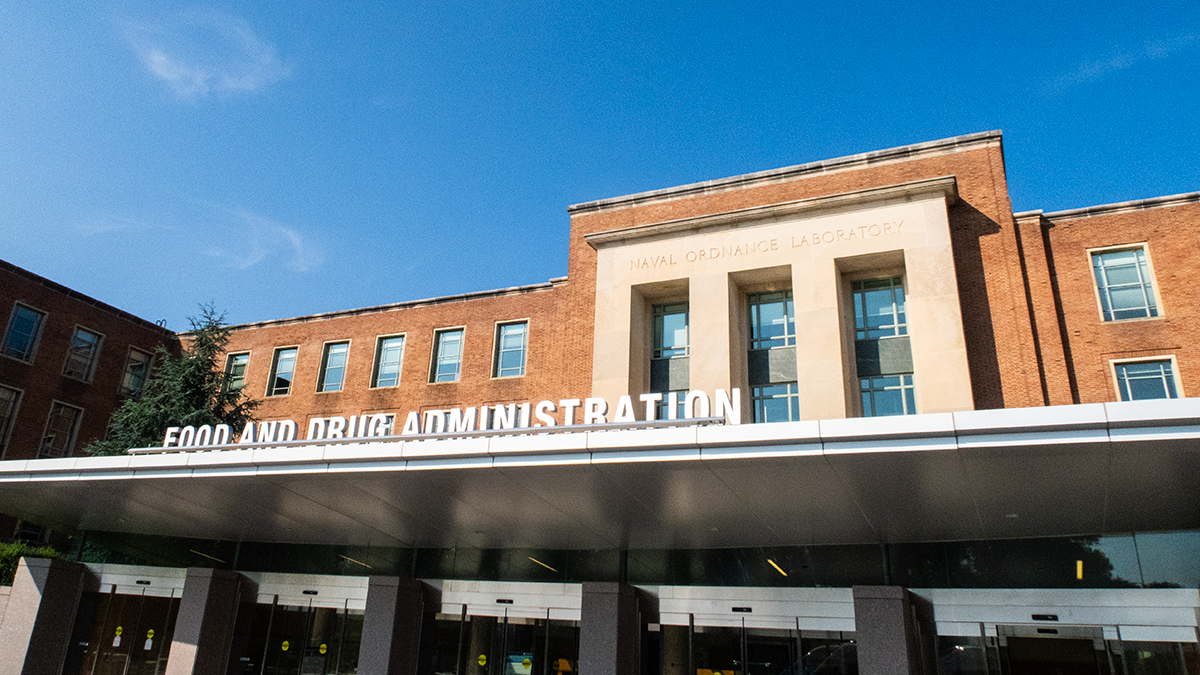
The US Food and Drug Administration (FDA) has announced the permanent appointment of four top officials to lead the agency's drug, biologics, and tobacco centers, as well as a deputy commissioner for technology and artificial intelligence. The three product center directors were previously serving in those roles in an acting capacity.
On 8 September, FDA announced that Michael Davis will lead the Center for Drug Evaluation and Research (CDER), Karim Mikhail will lead the Center for Biologics Evaluation and Research (CBER), and Bret Koplow will lead the Center for Tobacco Products (CTP). All three had been leading their respective centers in an acting capacity until Tuesday’s announcement. The agency also announced that Jared Seehafer will serve as its first deputy commissioner for Technology and Artificial Intelligence.
In a Department of Health and Human Services (HHS) press release, HHS Secretary Robert Kennedy Jr. said the leaders selected to helm FDA were picked to help reform the agency and address the country’s most serious health challenges. His comments were also echoed by Acting FDA Commissioner Kyle Diamantas.
"These selections are not just about filling leadership roles — they signal the direction we are heading," said Diamantas. "These leaders will help us attract and retain best-in-class talent while building the workforce and infrastructure needed to accelerate innovative [sic] across all FDA centers."
Davis served as CDER deputy director after returning to the agency in 2025, and was promoted to acting director in May when former acting CDER Director Tracy Beth Høeg was pushed out following the departure of former FDA Commissioner Marty Makary. Before first joining FDA as a clinical reviewer in 2016, he taught as an assistant professor in the Department of Psychiatry and Behavioral Sciences at Baylor University for two years. Between December 2022 and June 2025, he left the agency to serve as chief medical officer for Usona Institute, a non-profit medical research organization that aims to develop psychedelic drugs, such as psilocybin, to treat major depressive disorder (MDD).
"As CDER Director, Davis will lead the FDA center responsible for helping ensure that safe, effective, and high-quality drugs are available to the American public," said HHS in the press release. "He will direct CDER's reform and innovation agenda with a focus on three critical areas: increasing patient access to safe and affordable critical medicines, advancing the science of drug development and evaluation, and strengthening the domestic and global drug supply chain."
Mikhail has been at FDA for less than a year and a half but has served in various leadership roles at pharmaceutical and biotechnology companies, including Merck and Amarin. As head of CBER, HHS said he will focus on modernizing its regulatory frameworks and strengthening vaccine safety surveillance.
"Since joining FDA, he has worked on initiatives to accelerate clinical development, strengthen U.S. competitiveness, and expand domestic biopharmaceutical manufacturing," said HHS. "As CBER Director, Mikhail will lead the center responsible for regulating biological products — including cellular and gene therapies, vaccines, and blood and blood products — ensuring American patients have access to the most innovative and safe treatments available."
According to his LinkedIn bio, Mikhail is fluent in three languages and has lived and received a Bachelor of Pharmacy & Pharmaceutical Sciences from Cairo University, and a Master of Science in Biopharmaceutical Management from École supérieure de commerce de Paris.
Mikhail stepped in as acting CBER director in May after its former director, Vinay Prasad, departed following multiple controversies, including overruling his reviewers to deny or delay approval of Moderna's mRNA influenza vaccine and UniQure’s Huntington's disease treatment, as well as allegations of abusive treatment toward subordinates.
Koplow has had a long career at FDA since he joined the agency as a senior advisor for oversight in the commissioner's office in 2011. Before that, he was a partner at Patton Boggs, and later at Sonnenschein Nath and Rosenthal. He also served as director of child and adolescent psychiatry at both the University Hospitals of Cleveland and Case Western Reserve University School of Medicine.
"As CTP Director, Koplow will lead CTP’s dual priorities of promoting innovation and access to less harmful alternatives for adult smokers, and taking decisive action to protect American youth and minors from tobacco and nicotine dangers," said HHS.
As the first deputy commissioner for technology and artificial intelligence, HHS said that Seehafer will be tasked with providing strategic leadership on technology, software, and AI, and will help set its priorities on the topics. He joined the agency in August 2025 as a senior advisor, prior to which he served in leadership positions at several investment groups and companies, including Orange Collective, Village Global, and Greenwings Biomedical. He was also the CEO and co-founder of Enzyme, a quality management system (QMS) software company.
"Seehafer brings two decades of technical and leadership experience at the intersection of software, AI, and FDA-regulated medical technology," said HHS. "The newly created position underscores the Trump Administration’s commitment to accelerating reliable AI innovation, modernizing federal technology, and ensuring an effective regulatory framework for emerging technologies."