
FDA official urges sponsors to use alternatives to clinical efficacy studies for biosimilars
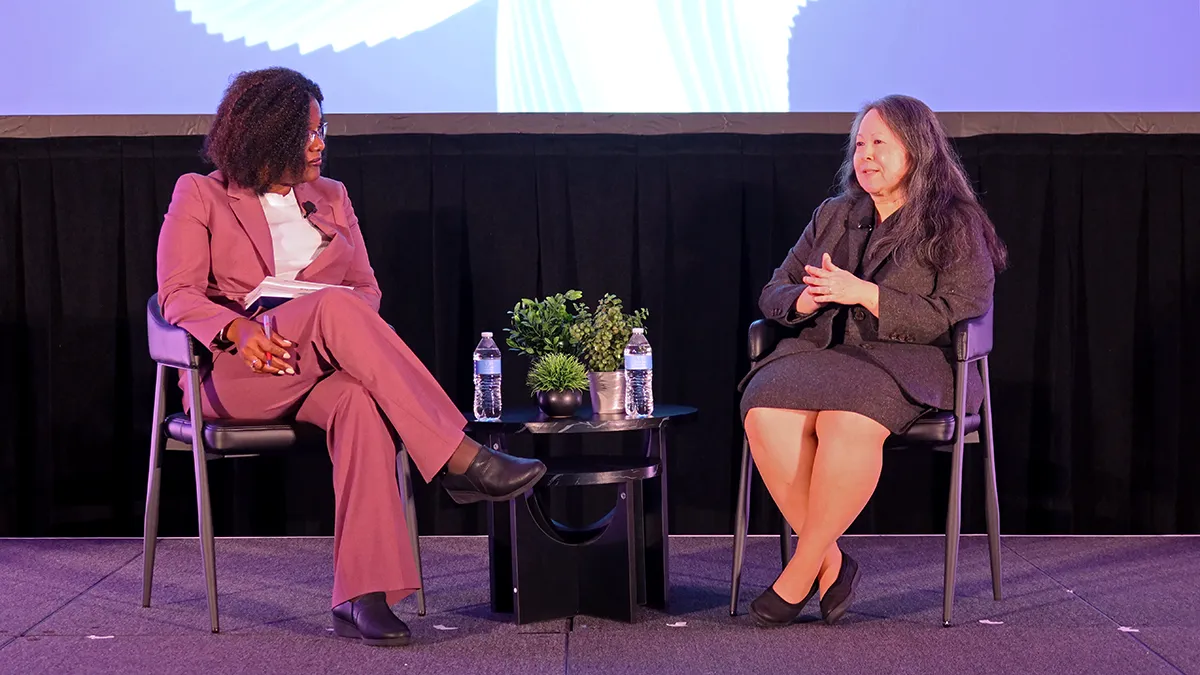
BETHESDA, MD – Sarah Yim, director of the US Food and Drug Administration’s (FDA) Office of Therapeutic Biologics and Biosimilars in the Office of New Drugs, emphasized that the agency is actively working to help sponsors reduce their reliance on clinical efficacy studies to demonstrate that a new biosimilar is comparable to its reference drug and to build public confidence in biosimilars.
Yim made these comments during a fireside chat at the Association for Accessible Medicines’ (AAM) GRx+Biosim conference on Tuesday. She highlighted the importance of focusing more on analytical tools to establish a drug's comparability.
“Clinical studies are not helping biosimilar programs,” Yim said, adding that FDA has had numerous conversations with stakeholders and new hires to clarify that these studies are not necessary.
In October 2025, the FDA announced a new streamlined approach to developing biosimilars. This approach could potentially eliminate the requirement for drug manufacturers to conduct comparative efficacy studies (CES) to demonstrate biosimilarity to a reference product. Instead, manufacturers would be able to use comparative analytical assessments (CAAs) to establish comparability, except in certain situations where a CES is still required. (RELATED: FDA proposes to cut comparative efficacy study requirements for most biosimilars, Regulatory Focus 29 October 2025)
Yim said that it is up to FDA to generate educational materials and “figure out a way to make analytical data more real and understandable” to sponsors. Such information “will allow them to connect the dots.”
When asked to address the outlook for biosimilars in ten years, Yim said, “I am hoping that we get to a point where clinical studies will become less and less important to people. We are already getting some momentum about understanding that [these studies] are not a fundamental part of biosimilar development.”
Yim also proclaimed that the Biosimilar User Fee Act (BsUFA IV) agreement represents a significant step toward streamlining approvals for these products.
“I have to give a huge shout out to the negotiations team and to everyone who supported the proposal.” She added that the agreement was “impactful and will introduce a lot more efficiencies into the system and will generate a lot more first-cycle approvals.”
Yim added that a key part of the agreement calls for establishing a new review mechanism that will allow the FDA to continue working past the goal date to resolve late-arising issues.
FDA published its commitment letter for BsUFA IV program in late September 2026. Some of the other changes include the consolidation of the six BsUFA III supplement categories (Category A-F) into just two categories (Category 1 or 2) that correspond to review timelines of four and six months. (RELATED: BsUFA commitment letter outlines changes to FDA’s biosimilar review program, Regulatory Focus 28 September 2026)