
FDA to remove ‘animal testing’ terminology from its regulations
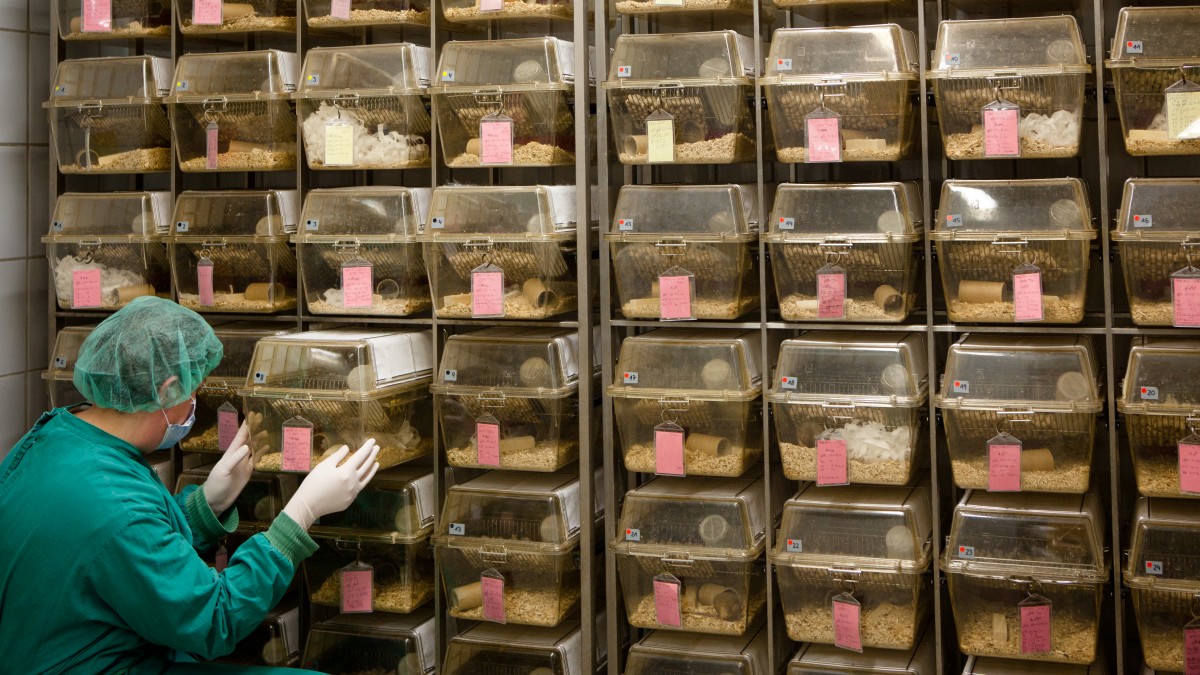
The US Food and Drug Administration (FDA) plans to replace terminology related to animal testing with broader terms, such as “nonclinical tests” and “nonclinical studies” throughout its regulations to facilitate the use of nonanimal methods in drug development.
The final rule is slated to take effect on 4 February 2027.
FDA and other global regulators have long worked toward the goal of reducing reliance on animal testing in accordance with the 3Rs (reduce, refine, and replace) principles. Last year, FDA announced steps to “phase out” animal testing in preclinical safety studies, with an emphasis on new approach methodologies (NAMs), organoids, organ-on-a-chip systems, computational modeling, and machine learning/artificial intelligence models.
“This new rule supports the Trump Administration’s push to explore ways to complement, or where appropriate, replace animal studies with methods that may better predict how medicines will actually affect people,” said Acting FDA Commissioner Kyle Diamantas.
“It gives scientists and drug developers greater flexibility to use the testing approach that best addresses their scientific question. Our goal is not to replace one rigid approach with another. It is to support rigorous, modern science — including animal studies when they remain appropriate and validated alternatives when they can provide the evidence needed to protect patients,” he said.
The rule also replaces the terms “preclinical” and “in vitro” with the nonclinical terms and adds definitions of those terms to its regulations, in line with the definition of “nonclinical test” found in the 2022 Food and Drug Omnibus Reform Act.
FDA notes that these changes do not prohibit or eliminate animal testing and are meant to clarify that such tests are not the only acceptable way to generate safety information for drugs and biologics. Additionally, FDA said the rules do not change the agency’s evidentiary standards, nor do they impose new costs or requirements on drugmakers.
“The law recognizes newer methods that do not use animals and traditional animal studies as possible ways to provide the evidence needed to begin studies in people,” FDA said.
As such, the rule adds this definition to FDA’s regulations: “Nonclinical test and nonclinical study mean a test or study conducted in vitro, in silico, or in chemico, or a nonhuman in vivo test or study. Such a test or study may include,” cell-based assays, organ chips and microphysiological systems, computer modeling, other nonhuman or human biology-based test methods, such as bioprinting, and animal tests or studies.
In an unusual move, the agency issued the rule as a direct final rule without any prior notice or public comment, and at the same time, it issued a companion proposed rule as a failsafe if it must withdraw the final rule.
The agency said it believes the changes in the direct final rule are noncontroversial and that it doesn’t anticipate receiving significant negative comments; however, it said if it does receive “significant adverse comments” on either public docket, it will withdraw the direct final rule and proceed with the proposed version, which is substantively identical. Both rules were published simultaneously and their comment periods run concurrently with one another. Comments are due by 7 December 2026, and FDA said it plans to publish a notice confirming the effective date of the direct final rule within 30 days of the end of the comment period.
Alongside the final rule, FDA also published a database listing use cases for 25 NAMs cited in publicly available application review materials to “demonstrate their practical application.”