FDA updates product-specific guidelines for injectable peptides
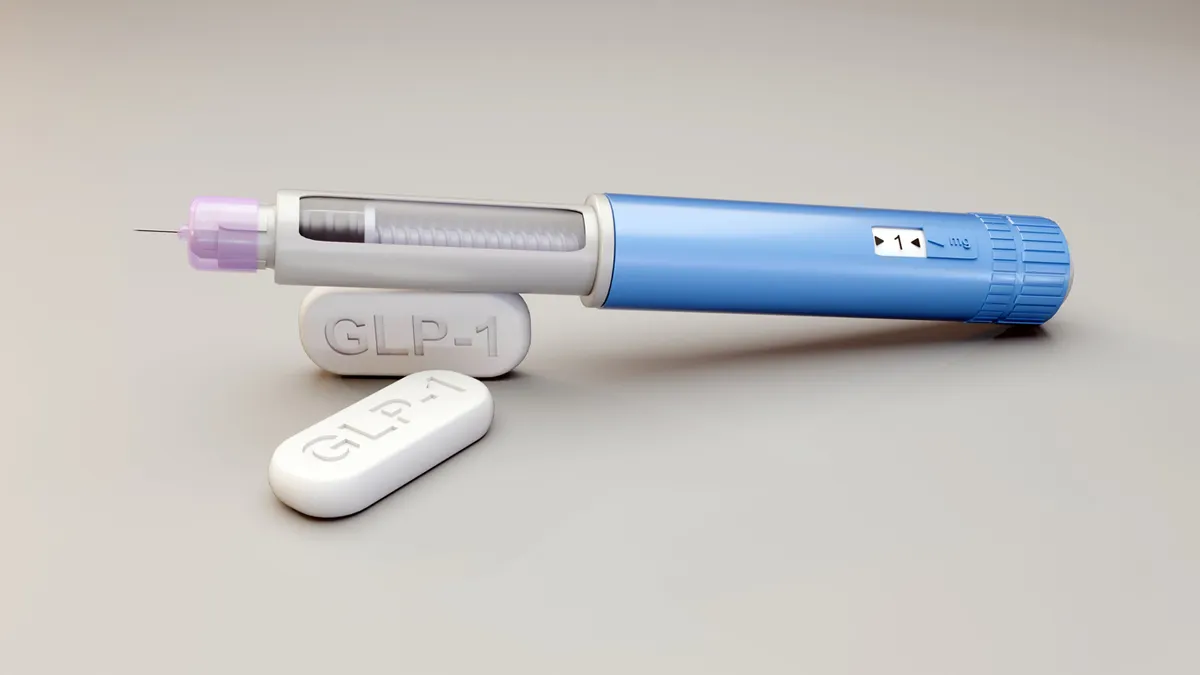
The US Food and Drug Administration (FDA) has updated 17 draft product-specific guidances (PSGs) to assist sponsors in submitting abbreviated new drug applications (ANDAs) for injectable peptide products. These PSGs focus on peptide drugs used to treat conditions such as obesity, type 2 diabetes, osteoporosis, and macular degeneration.
PSGs help facilitate generic drug development, streamline ANDA assessment, and support greater access to generic drugs that are as safe and effective as their brand-name counterparts, FDA said. The update also aligns the agency’s mission of improving access to generic medicines under the Drug Competition Action Plan and President Trump’s Executive Order 14273 on lowering drug prices.
“These updates reflect years of extensive regulatory experience, harmonization with global regulatory standards, and incorporation of the latest scientific evidence, representing a meaningful evolution in how FDA assesses generic peptide drug products and helping ensure that ANDAs for these products meet the regulatory requirements for approval,” FDA said.
The revised draft PSGs cover the following peptides: calcitonin salmon (Calcimar); calcitonin salmon (Miacalcin), dasiglucagon hydrochloride (Zegalogue), glucagon (Baqsimi), glucagon (Glucagon), glucagon (Gvoke), liraglutide (Victoza), liraglutide (Saxenda), pegcetacoplan (Syfovre), pegcetacoplan (Empaveli), semaglutide (Ozempic), semaglutide (Wegovy), teriparatide (Forteo), teriparatide (Teriparatide), tirzepatide (Mounjaro), tirzepatide (Zepbound), and vosoritide (Voxzogo).
FDA also announced that it is withdrawing its 2021 guidance titled ANDAs for Certain Highly Purified Synthetic Peptide Drug Products That Refer to Listed Drugs of rDNA Origin, and noted that it plans to reissue the guidance later this year. (RELATED: FDA guidance spells out acceptance criteria for synthetic peptide ANDAs, Regulatory Focus 21 May 2021)
The revised guidances include a similar format. They provide FDA’s updated recommendations across five key areas: how sponsors should submit peptides that are recombinantly, synthetically, or semi-synthetically produced; innate immune response testing; reporting impurity thresholds; reporting higher order structure assessment; and evaluating biological activity assessment for certain generic peptides.
However, they differ in several key aspects. Notably, they include a new section addressing higher-order structure and, where appropriate, comparable biological activity. Additionally, there is a more comprehensive section that focuses on comparing the active ingredient to the reference-listed drug (RLD). The updated guidances also introduce a new section regarding meetings with FDA and includes a new section on user interface assessments.
In addition, a new statement has been added, which clarifies that “non-clinical methods can be used to support a conclusion that the proposed generic peptide (recombinantly, synthetically, or semi-synthetically produced) and the RLD can be expected to have the same clinical effect and safety profile when administered to patients under the conditions specified in the labeling.”
The agency said the recommendations outlined in these PSGs can also apply to the development of other generic peptide drug products. In such cases, the agency encourages sponsors to contact the Office of Generic Drugs (OGD) by submitting a formal meeting request or through controlled correspondence.
Peptides are small polymers made up of 40 or fewer amino acids and are considered complex drugs, in part because some peptide products may vary in the length and sequence of their component amino acids, and because the products often have accompanying impurities which may be difficult to characterize.
Announcement, Federal Register notice, Listing of PSGs for 17 peptides