PDUFA VIII: FDA outlines goals, program enhancements in commitment letter
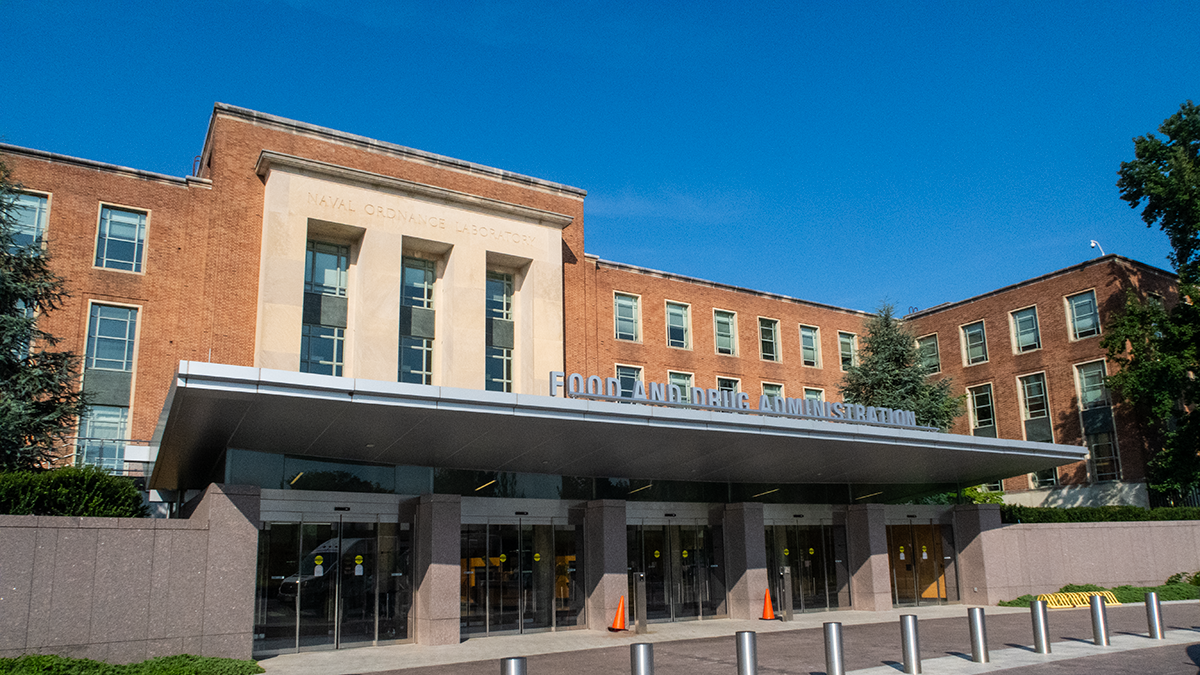
The US Food and Drug Administration (FDA) on Thursday released its proposed commitment letter for the Prescription Drug User Fee Act (PDUFA VIII) program, outlining its performance goals and program enhancements for the program for FY 2028-2032.
While the PDUFA VIII proposal includes numerous changes and program enhancements, the performance goals associated with new drug application (NDA) and biologics license application (BLA) reviews, as well as those for manufacturing supplements, are the same as those under PDUVA VII.
Some of the changes to PDUFA VIII reflect priorities of the current Trump administration, including those to promote domestic research and manufacturing, such as a proposal to encourage sponsors to conduct early clinical trials in the US.
In a Federal Register notice released alongside commitment letter announcing a meeting on 16 September to present the PDUFA VIII recommendations, FDA wrote that “the proposed enhancements for PDUFA VIII address many of the priorities identified by public stakeholders, the regulated industry, and FDA. While some of the proposed enhancements are new, many streamline or refine elements from the existing program.”
Under the proposal, FDA is recommending changes that cover the premarket review stage; postmarket evaluation; chemistry, manufacturing, and controls (CMC); financial management of the program; and information technology.
Some programs from the current PDUFA program will not make it into its next iteration. “Across the commitment letter, FDA proposes to remove one-time commitments completed under PDUFA VII and streamline the text where possible. In some cases, FDA proposes to discontinue pilots initiated in PDUFA VII that were found to be underutilized or overtaken by new enhancements, including the Split Real Time Application Review (STAR) pilot and the CMC Development and Readiness Pilot (CDRP),” FDA wrote.
According to the Federal Register notice, FDA is recommending a 50% reduction in application fees for submissions that include clinical data from at least one Phase 1 trial conducted in the US that were initiated after 1 October 2027.
This proposal reflects the Trump Administration’s effort to encourage drugmakers to move more of their operations to the US and builds on existing programs such as the Commissioner’s National Priority Voucher (CNPV) pilot.
FDA would also charge sponsors a fee, equal to 50% of the full application fee, for the first supplement seeking approval for a non-orphan indication on an application that originally received an orphan program fee exemption. Previously, these applications received an orphan application fee exception. It would also update the eligibility for the small business waiver to apply only to companies based in the US.
Other changes
FDA has proposed conducting a third-party assessment of its review processes and communication with sponsors during the initial cycle of drug reviews. This assessment aims to help both the FDA and the regulated industry identify challenges and best practices. The goal is to reduce the number of complete responses issued during the first cycle, minimize missed deadlines, limit extensions of the review period, and improve the communications between the FDA and sponsors during the review process.
The agency proposes that sponsors may submit a request for a multi-divisional meeting within the existing formal PDUFA meeting types if they are developing an investigational product across multiple therapeutic areas. The goals of multi-divisional meetings are to increase efficiency and alignment across participating review divisions.
Under PDUFA VIII, sponsors will be able to request face-to-face pre-IND, Type C, Type D, and INTERACT (Initial Targeted Engagement for Regulatory Advice) meetings. If these are not granted, FDA must convey a specific rationale for why a written response is sufficient.
The agency also proposes transitioning the Model Informed Drug Development (MIDD) Paired Meeting Program to Type C-MIDD meetings and eliminating the quarterly cap on the number of meeting requests.
The agency is also suggesting incorporating the Rare Disease Endpoint Advancement (RDEA) Pilot, Complex Innovative Trial Design (CID) Paired Meeting Program, and Advancing Real-World Evidence (RWE) Program into formal meeting requests.
FDA is also proposing a personnel compensation and benefits (PC&B) set-aside to ensure the agency will reserve the necessary funding to restaff the PDUFA program at a level consistent with FY 2025, with adjustments for terminated staff. According to the notice, the set-aside “would ensure that the funds that are set aside will only be used for purposes relating to the hiring and retaining of staff for the process for the review of human drugs.”
Both the Pharmaceutical Research and Manufacturers (PhRMA) and the Biotechnology Innovation Organization (BIO) supported the agreement.
“The PDUFA VIII agreement strengthens America's competitive edge by reducing unnecessary review delays, embedding modern regulatory science tools into standard review and increasing program accountability…. We encourage Congress to move swiftly to reauthorize PDUFA. It is essential to maintaining American patients’ early access to new medicines and keeping innovative drug development in the US,” said PhRMA president and CEO Stephen Ubl.
BIO senior vice president of science and regulatory affairs Annetta Beauregard concurred. “As a lead industry negotiator for the PDUFA VIII agreement, BIO supports the PDUFA VIII commitment letter and its strengthening of regulatory review, advancing innovation, and helping deliver safe and effective treatments to patients. Specifically, the PDUFA VIII agreement includes important commitments that bolster the FDA’s core review activities, ensure accountability for predictable performance, improve financial sustainability and improve communication, transparency and efficiency.”