

UK Drug Advertising Complaints Increase as Withdrawn Advertisements Remain Steady
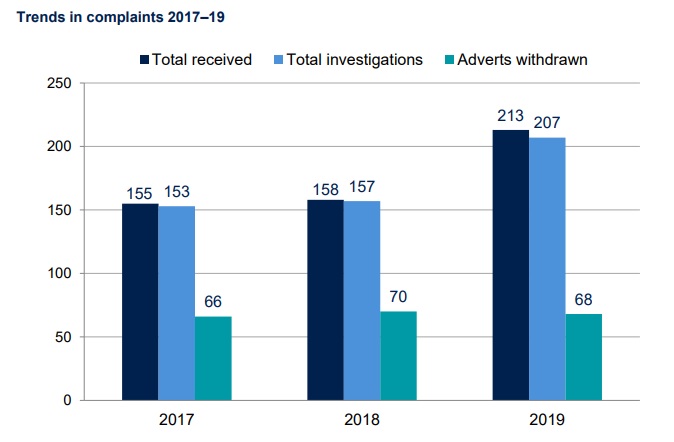
The UK’s Medicines and Healthcare products Regulatory Agency (MHRA) on Wednesday released a report on its regulation of medicines advertising in 2019.The report shows how MHRA received a total of 213 complaints in 2019, which is a 35% increase on 2018’s figure of 158, and which is a reversal of an overall downward trend in complaints in recent years. But MHRA said that it expects the number of complaints to decline in 2020, as this increase was mainly due to resolving many botulinum toxin advertising cases received late in 2018 that were carried over into 2019.
“These complaints were mainly about advertising for botulinum toxin products on websites and social media including Facebook, Instagram and Twitter,” MHRA said.
And the proportion of cases that were upheld and resulted in withdrawal of, or changes to, advertising (28%) was lower than 2018 (50%), the report finds. Although the number of advertisements withdrawn remained steady.
Seven formal scrutiny cases were also resolved and dealt with the promotion of generic medicines before marketing authorizations were granted and the failure to state the indication clearly for Janssen’s Tremfya (guselkumab), MHRA said, which appeared in the BMJ print issue of 6 July 2019. Janssen agreed to withdraw the ad from future promotions.
“The case where a corrective statement was required related to off-label promotion, and whereas in most cases MHRA receives a single complaint about an issue, in this case we received separate complaints from 9 healthcare professionals,” MHRA said.
This case involved the off-label promotion of melatonin by Colonis Pharma in a letter sent to health professionals. The corrective statement noted the licensed indications and said that previous information included incorrect prescribing information.
Last May, MHRA also explained how a retweet could be considered promotional.
Overall, most of the complaints came from the public, while only a small number of complaints came from pharmaceutical companies because most use the self-regulatory complaints procedure to resolve their concerns and disputes unless the advertiser has chosen not to accept the jurisdiction of the relevant self-regulatory body, MHRA added.
Delivering High Standards in Medicines Advertising Regulation: 2019 Annual Report