
CDER director, expert discuss scientific, legal challenges to bringing generic GLP-1s to market
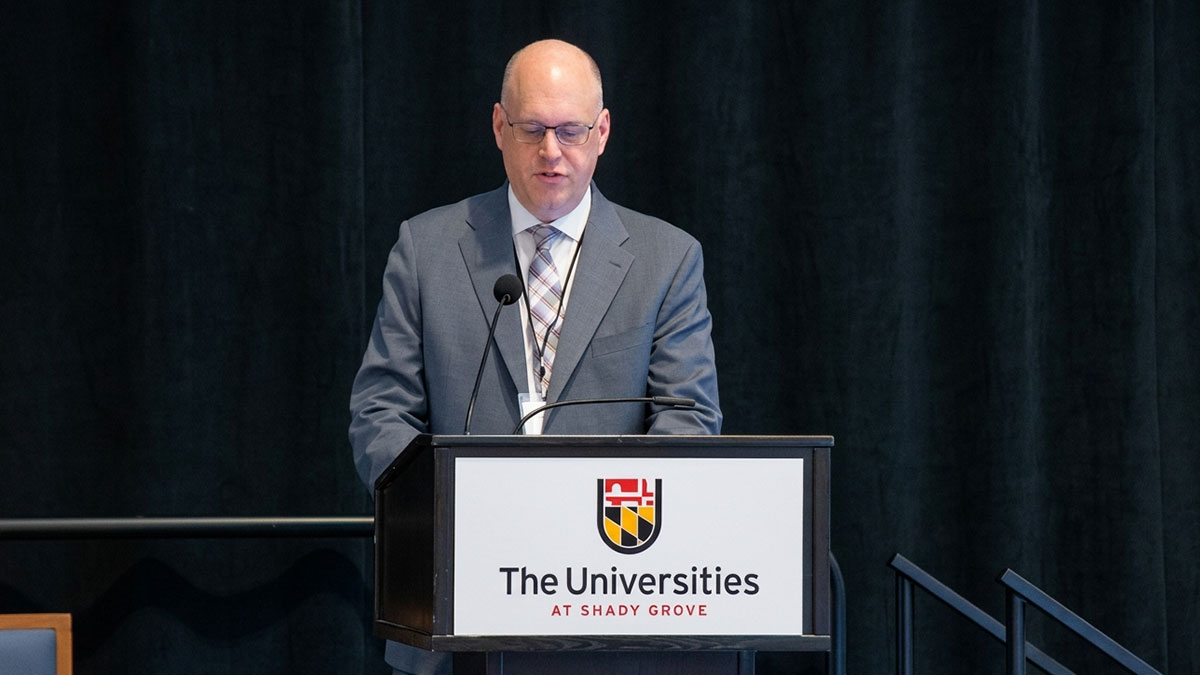
Michael Davis, the director of the FDA's Center for Drug Evaluation and Research (CDER), stated that increasing the availability of generic versions of glucagon-like peptide-1 (GLP-1) medications is a top priority for the agency to lower costs for Americans.
Yet Davis acknowledged that the development of generic GLP-1 products is complex for multiple reasons, including product characterization, impurity controls, and challenges in developing the delivery devices used to inject these products.
Davis made these remarks during a meeting on 23 September, sponsored by the FDA and the Center for Research on Complex Generics (CRCG). On 8 September 2026, Davis was officially named the permanent director of the FDA's Center for Drug Evaluation and Research (CDER). He succeeds former acting CDER Director Tracy Beth Høeg, who was removed from her position in May 2026 after the departure of former FDA Commissioner Marty Makary.
Davis said the meeting was held to help manufacturers navigate the GLP-1 pathway. He said that “GLP-1-based therapies have undergone a remarkable transformation in a relatively short period of time. And I think GLP-1 treatments represent one of the most meaningful advances in medicine for as long as I can remember.”
Davis stated that GLP-1 medications originally started as a class of glucose-lowering agents for type 2 diabetes. However, they have since evolved into a class of drugs that can now address several prevalent chronic diseases affecting Americans. This includes obesity, cardiovascular disease, and other related metabolic conditions.
However, these medications come with a substantial cost. Davis reported that US spending on GLP-1 medicines has reached approximately $131.9 billion annually, accounting for roughly 14% of all prescription drug expenditures in the country. “When tens of millions of patients may be using these medicines, sometimes for the rest of their lives, questions about access, affordability, and supply chain reliability are not background considerations. They are urgent public health questions,” Davis said.
Davis mentioned that the FDA has approved between 8 and 11 brand-name GLP-1 receptor agonist products. The variation in the number of products depends on whether you count individual active ingredients, specific brand-name products, or combination therapies.
Currently, there are three approved generic GLP-1 products in the US. The first was Amneal Pharmaceuticals’ exenatide injection, which was approved in November 2024, shortly after AstraZeneca discontinued the reference listed drug Byetta. Exenatide is approved to manage blood sugar levels in adults with type 2 diabetes.
The other two approved generic GLP-1s are Hikma Pharmaceuticals’ and Teva Pharmaceuticals’ liraglutide products. Hikma’s liraglutide is a generic version of Novo Nordisk’s Victoza and is also approved for the treatment of type 2 diabetes. Teva’s liraglutide product references Saxenda is the first generic GLP-1 in the US to be indicated for weight loss, specifically for the management of chronic weight management in certain adult and adolescents.
Davis said FDA’s priority is to bring generic versions of these medicines to market quickly to lower drug prices. “There are patients with type 2 diabetes, with obesity, with cardiovascular disease who are spending thousands of dollars per month on medications. In some cases, they may need to take these for the rest of their lives, they are waiting for the access and affordability that robust generic competition can bring,” he said.
The research questions regarding GLP-1 products are complex, said Davis. “We need advanced analytical and computational methods to allow us to characterize complex peptides at a highly detailed level. That includes questions of molecular structure and impurity profile, degradation pathways and deciding whether a proposed generic product is sufficiently comparable to its reference product,” he said.
Another challenge is the presence of “patent thickets” for these drugs, argued William Feldman, associate professor of medicine and director of the Pharmaceutical Policy & Outcomes Lab at UCLA. The term “patent thickets” refers to dense and often overlapping arrays of patents used by drugmakers to stall generic competition. Feldman also noted that these patents may be improperly listed in FDA’s Orange Book.
He cited a study he co-authored on patents for GLP -1 receptor agonists that was published in JAMA in August 2023. The study analyzed 188 patents on 10 FDA-approved drug-device combinations containing GLP-1 receptor agonists, including 107 device patents (57%) and 81 non-device patents (43%).
None of the device patents mentioned claims on active ingredients, chemical structures, or therapeutic classes, and only 1 patent mentioned an indication. The study said that removing these device patents from the Orange Book would reduce the size of patent thickets on GLP-1 drug-device combinations from a median of 20.5 patents to a median of 6 patents.
Feldman said that the Federal Trade Commission (FTC), which monitors these patents, is starting to “take a series of actions to delist” some of these patents.
On the bright side, said Markham Luke, the director of the Division of Therapeutic Performance I (DTP) in the Office of Research and Standards (ORS) within FDA’s Office of Generic Drugs (OGD), “The encouraging part of this story is that the scientific toolkit is much stronger than it was a decade ago.”