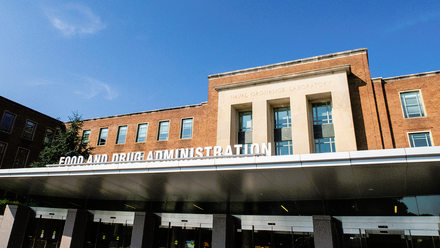
FDA finalizes guidance on formal meetings with drug and biologics sponsors

The US Food and Drug Administration (FDA) issued final guidance on 13 August regarding the types and timelines for formal meetings that sponsors can request during the development of new drugs and biological products.
The guidance was jointly issued by the Center for Drug Evaluation and Research (CDER) and the Center for Biologics Evaluation and Research (CBER). It does not cover abbreviated new drug applications (ANDAs), applications for biosimilar biological products, or medical device submissions.
The document incorporates the agreements reached between FDA and industry in the Prescription Drug User Fee Act (PDUFA) VII negotiations. It replaces a draft version issued on 22 September 2023. (RELATED: FDA guidance on formal meetings adds new categories, timelines, Regulatory Focus 21 September 2023).
Changes made from the draft guidance include additional examples of Type D meetings, clarification on Initial Targeted Engagement for Regulatory Advice on CDER and CBER ProducTs (INTERACT) meetings, and the addition of information on meeting formats that FDA may grant, according to FDA. In addition, editorial changes were made to improve clarity.
Meetings are classified into five categories: Type A, Type B, Type C, Type D, and INTERACT meetings.
Type A meetings are intended for products that have stalled in development or for products currently on clinical hold to address significant safety concerns. During these meetings, the requester seeks guidance on resolving the issues that led to the hold. The FDA is required to respond to requests for these meetings within 14 days.
Type B meetings are for pre-investigational new drug application (pre-IND), pre-emergency use authorization, pre-new drug application (NDA), or pre-biologics license application (BLA) meetings. FDA must respond to these meeting requests within 21 days. Type B end-of-phase (EOP) meetings are reserved for EOP phase 1 or phase 2. FDA must respond to these requests within 14 days.
Type C meetings are reserved for meetings that do not fit into these categories and include meetings to facilitate early consultations on the use of a biomarker as a new surrogate endpoint that has not been used previously. FDA must respond to these requests within 21 days.
Type D meetings focus on a specific set of critical issues essential to advancing the development program. These meetings can also address follow-up questions that introduce new topics after a formal meeting. FDA is required to respond within 14 days.
INTERACT meetings are designed to address “novel drug and biological products and development programs that present unique challenges in early development.” The purpose of these meetings is to facilitate IND development for challenging issues that could otherwise delay the initiation of first-in-human testing for a drug or biological product. The agency must respond to these requests within 21 days.
The guidance also outlines four types of meetings: hybrid in-person (HIP), virtual face-to-face video conference (VCN), teleconferences (TCN), and written response only (WRO).
Meeting requests must include the following details: the meeting format (e.g., in-person, virtual), the date by which the requester will send the meeting package, and a brief statement outlining the meeting's purpose. This statement should provide background on the relevant issues and summarize any completed or planned studies and clinical trials that the requester intends to discuss during the meeting.