

FDA launches rare disease framework initiative
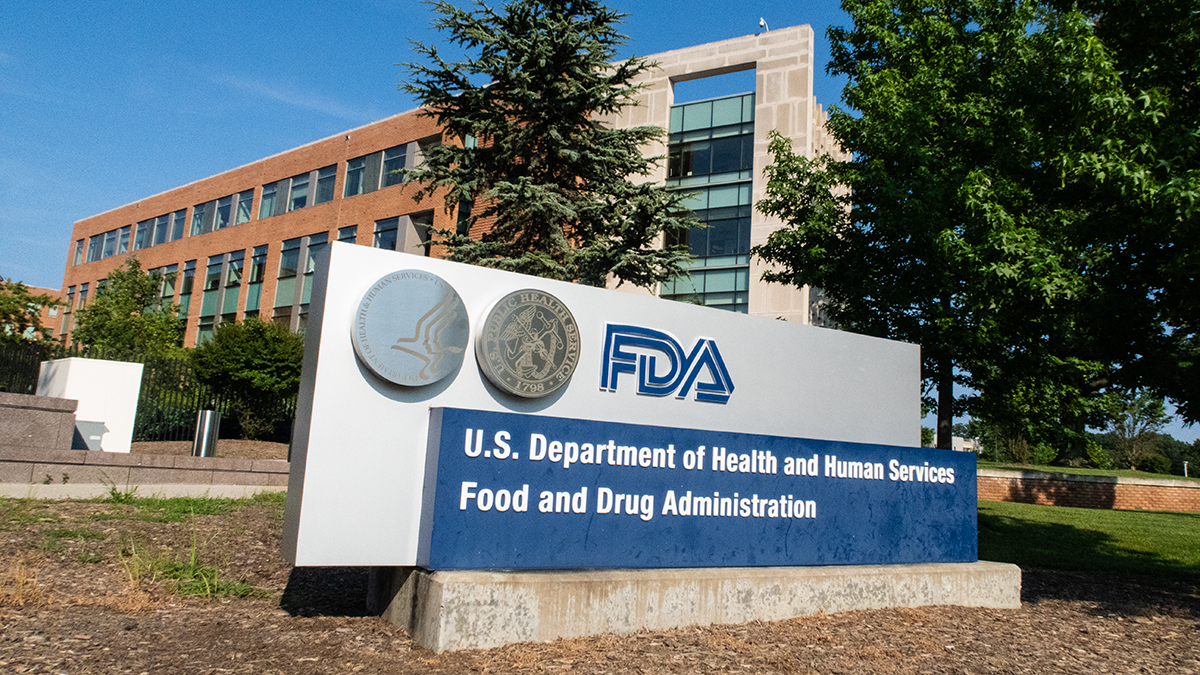
A new initiative from the US Food and Drug Administration (FDA) aims to develop “an optimized, fit-for-purpose” framework to facilitate the development and marketing of treatments for rare diseases, according to a 14 October announcement from the agency.
Under the initiative, FDA will review its internal policies and guidelines related to rare drug development. The agency also aims to leverage external expertise for a more tailored approach to regulatory review, build shared resources, provide comprehensive training on drug development and review for rare diseases, and apply risk-based strategies to the review of chemistry, manufacturing, and controls (CMC) and to pre-approval inspections.
The initiative is being spearheaded by FDA's Rare Disease Innovation Hub, in collaboration with the Office of the Commissioner, the Center for Biologics Evaluation and Research (CBER), and the Center for Drug Evaluation and Research (CDER). FDA also released a white paper to explain the initiative in greater detail.
“Patients and families living with rare diseases have few or no approved treatment options, and the burden of uncertainty can extend across every part of their lives,” acting FDA Commissioner Kyle Diamantas said in a statement. He added that “FDA will fight hard for patients by building a more consistent, predictable, and innovative approach to rare disease drug development while maintaining the rigorous standards Americans expect from the FDA.”
Amy Comstock Rick, director of the rare disease hub, said that “patients with rare diseases and their families deserve a regulatory process that addresses the uniqueness of each of their conditions while maintaining the FDA’s rigorous standards. A bold vision to reimagine the framework for rare disease drug development, one that builds on key learnings and milestones, is necessary to meet this moment. This new framework will enhance consistency and predictability for both sponsors and for patients.”
FDA said that the initiative aims to create a tailored framework for rare disease drug development. This framework will take into account the specific characteristics of each disease, the needs of patients, the type of products being developed, and the realistic evidence that can be gathered from small patient populations.
About 30 million Americans live with a rare disease, according to a white paper detailing the initiative. Worldwide, that number is estimated to be 300 million people. Yet, only 5% of recognized rare diseases had an FDA-approved treatment as of 2025.
The agency will hold a workshop on 28 October to solicit feedback on the initiative. Based on this internal and external feedback, the FDA said it may revise existing regulations or implement new regulatory provisions to include “fit-for-purpose evidentiary standards into the legal foundation of the rare disease review process.” This may involve potentially issuing new or revised guidance. Such guidance may address study endpoints, statistical methods, trial design, patient engagement, external expert consultation, and post-approval requirements.
The National Organization for Rare Disorders (NORD) expressed its support for the initiative. “This is an important and welcome step forward for the rare disease community. We congratulate FDA leadership for recognizing that extraordinary advances in rare disease science must be matched by continued evolution in how therapies are evaluated,” the organization said in a statement.
The Alliance for Regenerative Medicine (ARM) also endorsed the framework. The initiative is “a significant step toward bringing safe, transformative therapies to patients faster. The Agency rightly recognizes that a regulatory system built for common diseases cannot simply be repurposed for rare disorders. Patient populations are smaller, benefit-risk calculations are inherently different, and randomized trials are often impractical or unethical.”