

FDA nudges sponsors, researchers to publish trial results
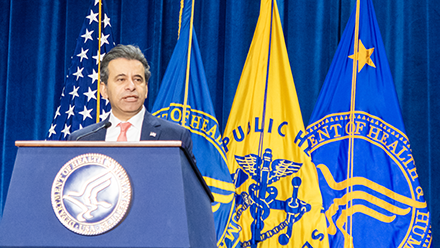
The US Food and Drug Administration (FDA) has notified more than 2,200 medical product manufacturers and researchers to disclose clinical trial results as required by law. The agency said it is part of its risk-based efforts to encourage relevant parties to act before it potentially decides to take regulatory action.
According to FDA, the agency contacted more than two thousand medical product sponsors and researchers who had not publicly published clinical trial results on ClinicalTrials.gov. The agency said the lack of publicly available trial results creates significant knowledge gaps and a publication bias that obscures the reality of drug development outcomes. More specifically, regulators said the lack of available trial data overrepresents successes while underrepresenting failures, creating a distorted perception of medical product safety and efficacy.
Under federal law, FDA can fine those in violation of clinical trial reporting obligations up to $10,000 per day until the violation is corrected; however, FDA’s website tracking notices of noncompliance for ClinicalTrials.gov reporting indicates that the agency has not levied fines for any such violations in the last 5 years.
“Far too often, companies are suppressing unfavorable clinical trial results and keeping them secret from patients and the scientific community,” said FDA Commissioner Marty Makary in an agency statement. “Those sponsoring clinical trials have an ethical obligation to make results public regardless of the data’s influence on the company’s share price.
“Too many clinical trial sponsors and researchers are failing to report their results, leaving important information unavailable to clinicians and other researchers,” he added. “If you are a doctor deciding whether or not to prescribe a medication to a patient, you deserve to have the best data about clinical studies on that medication.”
By law, it is mandatory for certain types of clinical trials, such as interventional studies with a US nexus and an FDA-regulated product that are past the deadline to report, to report their results. However, it is not mandatory to report results for other types of trials, such as Phase 1 clinical trials and device feasibility studies. According to an internal analysis, 29.6% of studies that are highly likely to fall under mandatory reporting requirements have no results information submitted to ClinicalTrials.gov.
Health and Human Services Secretary Robert Kennedy Jr. have been vocal about ensuring the public have access to medical research information as part of their push for "radical transparency." FDA has provided a link to the ClinicalTrials.gov webpage that explicitly details the types of clinical trials that require results be made public by law.
“The FDA takes its oversight of clinical trial responsibilities very seriously,” an FDA spokesperson told Focus. “Today's action is targeted outreach designed to promote voluntary compliance and facilitate the public availability of results information.
“Failure to address potential violations may result in further FDA regulatory action, including prenotices (that are publicly published) and notices of noncompliance and/or civil money penalties,” they added.
While the FDA did not share specifics about the messages, it said it is part of its risk-based compliance efforts to give sponsors and researchers an extra step to nudge them to comply with the law before it decides whether to take regulatory action for non-compliance.
Stephanie Agu and Heidi Gertner, attorneys at Hogan Lovells, told Focus that failure to post clinical trial results may lead to formal notices of non-compliance as well as civil monetary penalties from FDA. If the agency determines that the party responsible for listing the results has failed to do so, it can first issue a Pre-Notice of Noncompliance to encourage voluntary corrective action.
“If the party continues to be out of compliance, FDA will follow up with a Notice of Noncompliance and can subsequently seek civil monetary penalties,” said Agu and Gertner. "Although we have not historically seen a lot of enforcement from FDA in this space, (the agency's notices) may indicate future increased activity from FDA.”
Agu and Gertner emphasized that sponsors must understand their legal obligations and noted that not all clinical trials are required to publish their results, and not every entity involved in a clinical trial is considered the party responsible for submitting results.
“Companies and researchers should clearly understand their obligations and the applicable timing requirements,” said the attorneys from Hogan Lovells. “In general, results must be submitted no later than one year after the trial’s primary completion date, although FDA permits delays in submission under certain circumstances.
“Our general advice to clients who may have missed the reporting deadline is to submit their results as soon as they can, which is consistent with the discussions that we have had with NLM and FDA on this issue,” they added.
Agu and Gertner said that manufacturers and researchers may often simply not know that they are required to submit clinical trial results or may be unaware of the submission deadlines. When thinking about the public disclosure of clinical trial results, they said they are more likely to focus on publishing their results in a journal than on a separate requirement to publish them publicly.
“Also, clinical trials are a mammoth undertaking!” said Agu and Gertner. “They are likely engaged in completing other activities in connection with the trial and the submission deadline may slip their minds.
“Building awareness of these obligations is essential, including ensuring that entities engaged in a clinical trial clearly identify and understand who the responsible party is for reporting purposes and what the relevant reporting timelines are,” they added. “FDA may also consider sending periodic reminders to responsible parties as well.”
Agu and Gertner emphasized that publishing clinical trial results on ClinicalTrial.gov plays a significant role in promoting scientific transparency and increasing awareness about clinical research.
"We urge our clients to comply with these requirements and also recommend they consider submitting a certification to give themselves more time to submit trial results if they have filed a marketing application or expect to file one soon," they added.
