MedCon: FDA sees uptick in class I recalls in 2025 as it tackles resourcing issues
COLUMBUS, OH – The US Food and Drug Administration (FDA) saw more new recall events for class I medical devices in 2025 than it has in recent years, a trend that continues to trouble agency officials.
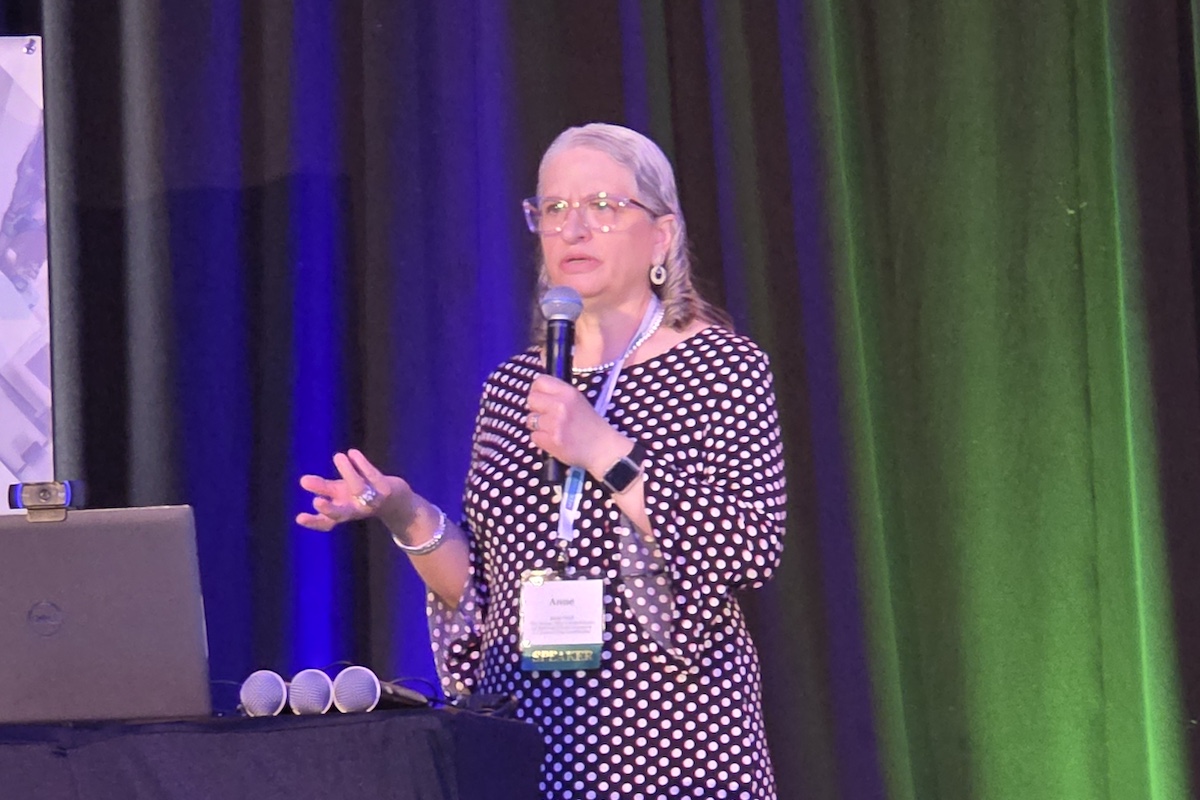
“This is not a trend we’re happy about,” Anne Reid, program director of the Office of Medical Device and Radiological Health Inspectorate (OMDRHI) at FDA, told attendees, at the 2026 MedCon conference, sponsored by the AFDO/RAPS Healthcare Products Collaborative.
“I want to be friendly and nice, but I don't like these numbers and I never will,” she added.
According to FDA’s medical device recalls and early alerts page, which lists the most serious recalls for medical devices, there were 111 recalls and early alerts in 2025.
While the agency is happy that companies are self-identifying and reporting these recalls, “we would like to see these numbers drop a bit,” Reid said.
Between 2020 and 2025, class I recalls increased by 232%, Reid noted. “[T]hat is a concerning number for us,” she said.
Class II recalls “have a lot of rules around them, but the ones that really are resource labor intensive to track and monitor are those class Is,” Reid explained. She noted that FDA spends a lot of resources tracking class I recalls because of how significant they are.
The reasoning behind the increase in class I recalls varies, but the classification should be taken seriously, Reid said. When the Center for Devices and Radiological Health (CDRH) classifies a class I recall, they do their due diligence, she noted. “It's not an insignificant thing when they classify your recalls,” she said.
The Office of Inspections and Investigations (OII) is responsible for processing, monitoring, and terminating medical device recalls. Terminating recalls is “probably the hardest one to get to,” Reid said, and the agency is currently not meeting its goals of terminating recalls. Reid said insufficient as staffing, IT systems, and additional authorities at FDA limit their ability to carry out their duties.
Referencing a recent report by the US Government Accountability Office, Reid said both FDA and the US Department of Health and Human Services (HHS) should address limitations in oversight when it comes to recalls.
“[T]ruthfully, in the recall world, we’re the overseers,” Reid said. “But our responsibilities can go a little bit further.”
Reid noted that FDA has “some authority” for mandatory recall but rarely exercises this authority. However, FDA cannot issue requirements for how to carry out a recall, she noted.
The recommendations from the GAO report were that HHS work with FDA to determine appropriate staffing, skills, and capacity to carry out medical device recalls. The report also recommended HHS to evaluate whether FDA should have additional legislative authority to mandate manufacturers follow FDA’s recall recommendations.
Since the report was recently released, FDA has yet to determine what this might look like in practice. “We have not really addressed it yet. It only closed out in December. We're working on it,” Reid said.
However, Reid noted that the agency is “in the process of hiring a lot of people” following the reductions in force at FDA in 2025. (RELATED: Thousands of FDA staff fired in latest RIF, Regulatory Focus 1 April 2025)
To help limit errors in translation for recalls, Reid encouraged manufacturers to fill out FDA’s device correction removal report for industry form. While the form gained some attention when it was first released, that attention has since died down, and Reid said she would like to see more companies using it.
“That helps us out tremendously because then our recall coordinators don't have to do this through emails, phone calls, smoke signals,” Reid said.
On the consumer side, patients can report problems with medical devices through the agency’s SmartHub page. Reid noted that complaints used to come into the agency from many different places but are now all routed through SmartHub. CDRH processes the complaints and triages them based on the immediacy of the problem reported.
“Not everything that comes in as a complaint is, is a drop-dead emergency, but we take this very seriously and we do address them,” Reid said. “Complaints don't just go into a black hole. We really do address them; we work with our Center on it.”