Recon: Sen. Manchin opposes Woodcock for FDA Commissioner; BMS, Eisai in $3.1B cancer drug development deal
Welcome to Regulatory Reconnaissance, your daily regulatory news and intelligence briefing.In Focus: US
- Sen. Manchin to Biden: Don't nominate Woodcock for FDA commissioner (Endpoints) (The Hill) (Letter)
- Over 300 cases of heart issue after Covid vaccination reported in young people, CDC says (NBC)
- White House to finish allocating 80 mln U.S.-made COVID-19 shots for shipment abroad (Reuters)
- Analysis: Rival treatments may help justify FDA gamble with Biogen Alzheimer’s drug (Reuters)
- Billions spent on prescription drug ads may have increased Medicare spending (STAT) (GAO)
- FDA Approves Bayer’s Nasal Antihistamine for Nonprescription Use (FDA) (Fierce)
- Genetic testing company 23andMe rises in first trade after Richard Branson SPAC merger (CNBC)
- As drugmakers spend $6B annually on DTC ads, senators revive bill to include list prices in ads (Endpoints)
- Bristol-Myers, Eisai in up to $3.1 bln deal to develop cancer drug candidate (Reuters) (Endpoints)
- AstraZeneca says EU loses legal bid for more vaccine supplies by end-June (Reuters) (FT)
- AstraZeneca must use Britain's plant if needed to meet EU's vaccine commitments - EU lawyer (Reuters)
- CureVac may let contractors make rival vaccines if own shot fails -CEO (Reuters)
- TimesCureVac to press on with mRNA vaccine despite disappointing trials (FT)
- Danish ‘meme stock’ Orphazyme plunges after drug setback (Reuters) (Fierce)
- EU drug regulator records 415 cases of possible rare blood clotting (Reuters)
- Coronavirus G7: Could a billion more vaccines for poorer countries make a difference? (BBC)
- High Hopes for Johnson & Johnson’s Covid Vaccine Have Fizzled in the US (NYTimes)
- Delta COVID variant becoming globally dominant, says WHO official (Reuters)
- Thailand scraps plan for 16-week dose gap on AstraZeneca vaccine (Reuters)
- Merck’s COVID-19 Drug Candidate Enters PIII in Japan (PharmaJapan)
- Bharat Biotech's pre-submission meeting for Covaxin EUL with WHO on June 23 (Economic Times)
- Zydus Cadila likely to seek EUA in India for ZyCoV-D COVID-19 vaccine in the next 7-8 days (Economic Times)
- Domestic In-Person Inspection Work Could Be Back To Normal This Summer, Woodcock Says (Pink Sheet)
- Athira Pharma CEO placed on leave amid allegations of altered images in her research papers (STAT)
- Takeda Test Drives EMA’s Parallel Review Route For EU And Non-EU Markets (Pink Sheet)
- Novartis’ Cosentyx wins NICE backing for non-radiographic axial spondyloarthritis (PharmaTimes)
- Another four IPOs complete busy week as biotech raise continues to match 2020's record pace (Endpoints)
- Will COVID Finally Help US FDA And Sponsors Overcome Their ‘Angst’ On Innovative Trial Designs? (Pink Sheet)
- Biogen doses first patient in phase 3 systemic lupus erythematosus study (PMLive)
- As spotlight trains on biopharma diversity, most companies kept their C-suites exactly the same in 2020 — report (Endpoints)
- In an effort to safely deliver mRNA, Stanford University teams up with German biotech Evonik (Endpoints)
- Can semiconductor expertise be applied to biopharma manufacturing? Entegris bets $40M that it can (Fierce)
- EMA’s Revised Guide On Additional Risk Minimization ‘Overly Detailed’ (Pink Sheet)
- Cost watchdog ICER will bless some high-priced gene and cell therapies, but only with solid proof of benefit: Analyst (Fierce)
- Lupin’s US Advair Generic Plans Turn Awry As Celon Pact Nears End (Scrip)
- Bristol Myers Squibb Receives European Commission Approval for Onureg® (azacitidine tablets) as Frontline Oral Maintenance Therapy for Adults with Acute Myeloid Leukemia (Press)
- The prostate cancer drug market (Nature)
- Noncoding RNA therapeutics — challenges and potential solutions (Nature)
- FDA Publishes OMUFA Arrears List and Answers Fee-Related Questions (FDA Law Blog)
- FDA In Brief: FDA Announces Qualification of a Medical Device Development Tool to Help Assess Patient- Reported Outcomes with LASIK Surgery (FDA)
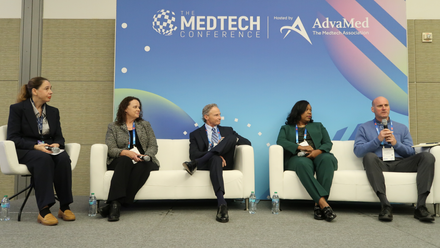
- ‘A New Kind Of Future’? FDA’s Shuren Questions Whether Engagement With Industry Will Change Post-Pandemic (MedtechInsight)
- IVDs: ‘Every Non-COVID Premarket Submission That Was Held Up Is Moving Forward’ Soon, FDA’s Shuren Vows (MedtechInsight)
- MHLW Aims to Set Up Evaluation Index, Sakigake System for SaMD by March (PharmaJapan)
- Smiths Medical Issues Worldwide Notification Regarding the Recall of Jelco® Hypodermic Needle-Pro® Fixed Needle Insulin Syringe With Skewed Graduation Markings (FDA)
- Pandemic Swells Medicaid Enrollment to 80 Million People, a ‘High-Water Mark’ (KHN)
- Del. Judge OKs Mallinckrodt Toss Of Ill. City's Ch. 11 Claims (Law360)
- Ex-Merck Sales Rep Asks 9th Circ. To Revive Kickback Fight (Law360)
- Walmart CEO Faces Opioid MDL Grilling Despite Protest (Law360)
A story's inclusion in Regulatory Recon does not imply endorsement by Regulatory Focus or RAPS.