US FDA warns drugmakers in India, China and the US for GMP issues
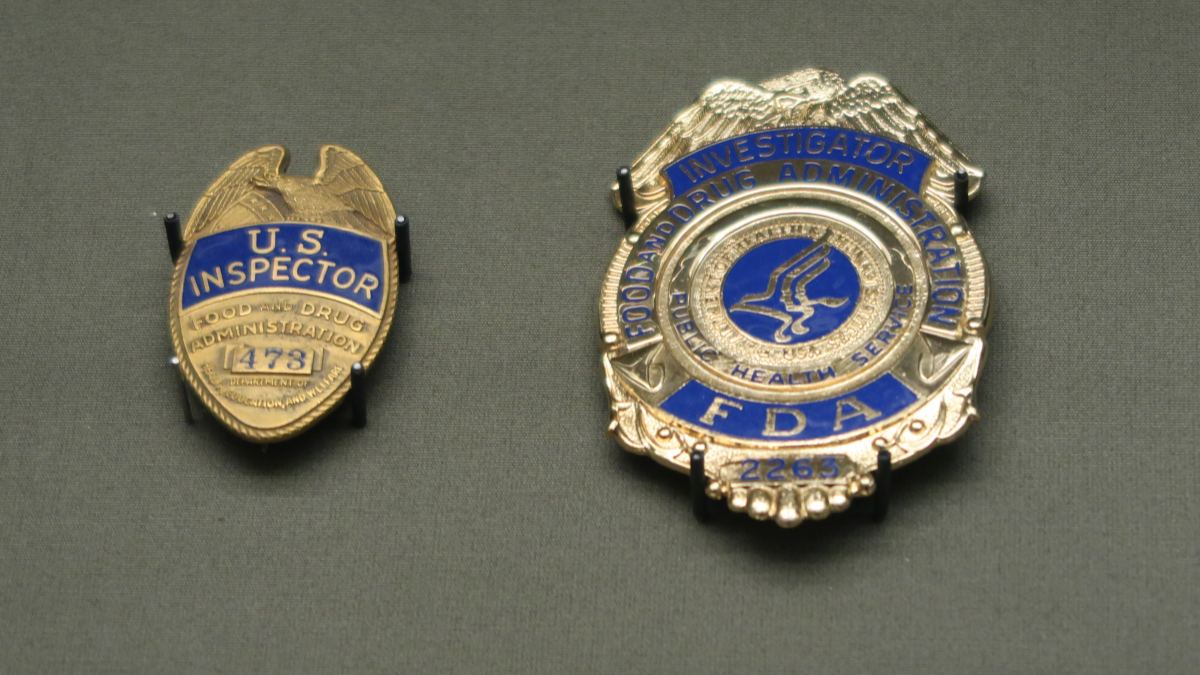
The US Food and Drug Administration (FDA) recently sent warning letters to companies in China, India, and the US for multiple violations of good manufacturing practices (GMP) related to the production of active pharmaceutical ingredients (APIs) and finished drugs.
A recurring issue highlighted in these letters is the insufficient oversight by quality units at these facilities, inadequate aseptic practices, and a failure to learn from previous mistakes.
Eugia warned for poor aseptic practices
Eugia Pharma Specialties Limited, located in Hyderabad, India, received a warning for multiple GMP violations related to its production of sterile injectables. The company, a subsidiary of Aurobindo Pharma, specializes in manufacturing generic pharmaceutical formulations, particularly focusing on sterile injectables and oncology treatments.
FDA stated that Eugia's aseptic processing lines were not well designed and did not include adequate restricted access barrier systems (RABS). These systems are necessary to ensure proper ergonomics and appropriate physical separation from the surrounding environment. According to FDA, RABS are essential for minimizing or eliminating operator intervention in critical cleanroom environments.
Operators were allowed to enter the lifting area of the aseptic line to perform manual interventions without maintaining appropriate ISO 5 conditions.
FDA identified similar GMP violations at two other facilities in its company’s network. Both facilities were inspected in 2025 and 2026, and both were classified as Official Action Indicated and are in “unacceptable CGMP status.”
“These repeated failures at multiple sites demonstrate that management oversight and control over the manufacture of drugs are inadequate,” FDA said.
Tianjin Kilo cited for GMP violations tied to its APIs
FDA issued a warning letter to Tianjin Kilo Pharmaceutical Sci-tech Co., Ltd. In Tianjin, China for “significant deviations” from current GMPs in its manufacturing of APIs and pharmaceutical intermediates. The violations were uncovered following FDA’s request for records. The company makes chlorambucil, a chemotherapy medication, and demecarium bromide, a product for treating glaucoma.
Investigators said the company failed to demonstrate that its manufacturing process can reproducibly manufacture an API meeting its predetermined quality attributes. The company manufactured and distributed APIs to the US without adequate process validation.
FDA emphasized that such validation is crucial for ensuring the quality and purity of the APIs. In response to the agency's request for records, the company stated that these APIs were still under development and not yet commercial products.
The agency noted that formal documents, such as standard operating procedures, had not been finalized. Meanwhile, their APIs were distributed to 503A compounding pharmacies.
FDA said the company also failed to prepare and use master production and control records. FDA said that “without suitable batch records, you cannot adequately monitor and analyze both intra-batch and inter-batch variations to ensure that manufacturing processes remain in a state of control.”
The agency placed all products from the company on an import alert on 21 July 2026.
K.C. Pharmaceuticals warned of poor aseptic practices
FDA issued a warning letter to K.C. Pharmaceuticals, located in Pomona, CA, indicating that the company has not learned from its previous mistakes in manufacturing sterile eye drops. FDA said the company continued to manufacture and release its sterile drug products despite experiencing media fill failures in June, September, and November of 2024.
The company also lacked timely and adequate media fill investigations. Its root cause investigations were “unsupported and lacked effective corrective actions.”
FDA also observed poor practices and behaviors in ISO 5 areas during commercial operations and media fills. This includes operators inserting their upper torso into the RABS during interventions, breaching the ISO 5 barrier. In addition, an operator performed a RABS intervention directly with the RABS system instead of using forceps.
The company's quality unit failed to establish and follow procedures including procedures for handling customer complaints and inquiries. The company's approach to determining the severity and reporting of adverse events led to delayed and incomplete investigations.
FDA said similar violations were cited in a previous warning letter issued on 3 August 2023. The letter stated that “the recurrence of these violations demonstrates that your firm’s corrective actions were neither effective nor durable.”
The agency said the company’s inspectional history indicates that its quality unit “is not able to fully exercise its authority and/or responsibilities. Your firm must provide the [quality unit] with the appropriate authority and sufficient resources to carry out its responsibilities and consistently ensure drug quality.”
K.C. initiated a voluntary recall of all its commercial drug products on 18 February 2026 for products manufactured between March 2024 and November 2024 due to failing media fills and a lack of sterility assurance.
Safrel’s QCU is missing in action
FDA issued a warning letter to Safrel Pharmaceuticals, a manufacturer in Dayton, NJ, for its absence of a quality control unit in all facets of manufacturing. The company holds, labels, releases, and distributes OTC drug products under its own label. It also manufactures prescription medications, including pain relievers, fever reducers, and products for allergy and cold relief.
The agency said the company “lacks adequate quality unit (QU) oversight and procedures for the drug products you distribute.” During the inspection, the company revealed that there is no QU oversight for its suppliers and contract manufacturers, including packagers.
There was a noted absence of procedures outlining how the company ensures that the drug products received meet quality specifications, as well as the roles and responsibilities of suppliers. Additionally, the company does not request, receive, or maintain Certificates of Analysis (CoAs) for incoming bulk and finished OTC drug products. FDA also mentioned that one of its contract manufacturers has been noncompliant with GMPs during multiple FDA inspections.
The company lacks written procedures outlining how finished drug products should be received, quarantined prior to release, stored under suitable conditions, and approved for distribution. Additionally, there are no procedures in place for drug distribution that would facilitate a recall if necessary.
FDA reminded the company that drugs must be manufactured in accordance with GMPs. The agency stated that its “aware that many drug manufacturers use independent contractors such as production facilities, testing laboratories, packagers, and labelers. FDA regards contractors as extensions of the manufacturer.”
The warning letter indicates that if violations are not addressed, FDA may withhold the issuance of Export Certificates. Additionally, the agency may delay the approval of new applications or supplements that list the firm as a drug manufacturer until all violations are fully resolved.
Tianjin Kilo, Eugenia Pharma Specialties, KC Pharmaceuticals, Safrel Pharmaceuticals