
FDA finalizes guidance to assist sponsors in preparing OTC monograph requests
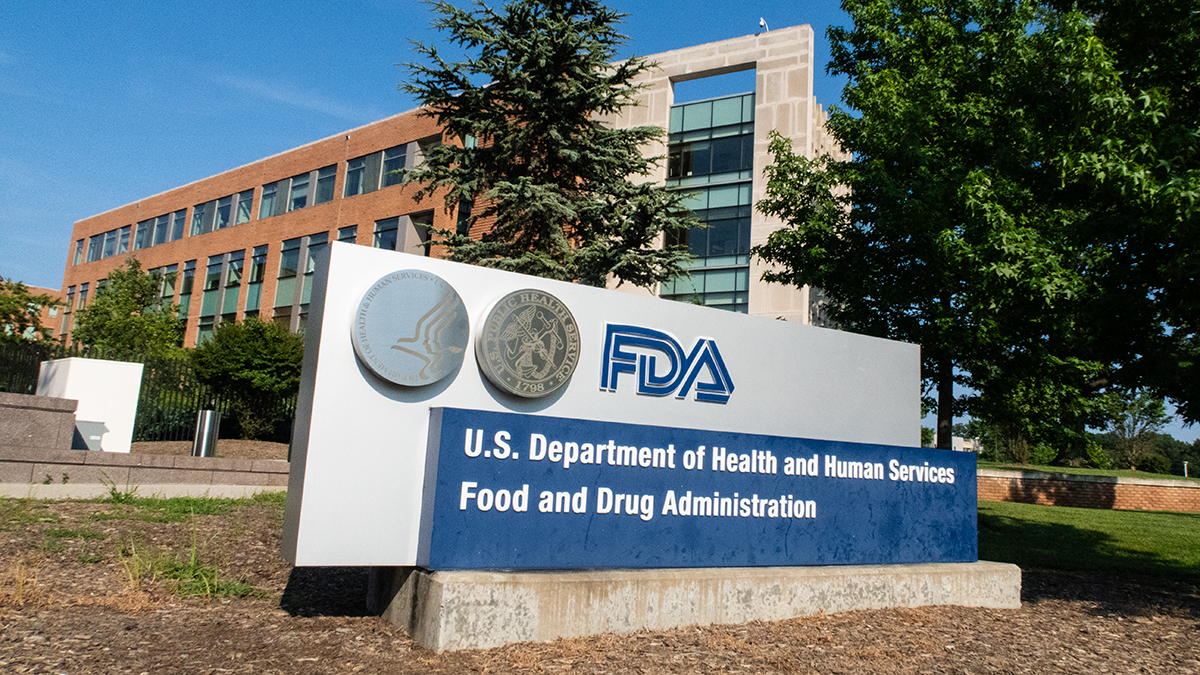
The US Food and Drug Administration (FDA) has released final guidance to help sponsors submit over-the-counter monograph order requests (OMORs) for drugs subject to a monograph. This guidance outlines the necessary format and content for OMOR submissions.
This guidance was created to comply with Section 505G of the Federal Food, Drug, and Cosmetic (FD&C) Act. This section was introduced by the 2020 Coronavirus Aid, Relief, and Economic Security (CARES) Act to reform and modernize the FDA's regulation of OTC monograph drugs (RELATED: Coronavirus Relief Bill Includes OTC Drug User Fee Program, Regulatory Focus 26 March 2020).
This section of the law allows eligible OTC drugs to be marketed without an approved new drug application (NDA) if they meet specific monograph requirements. These requirements cover active ingredients, intended uses, dosage, labeling, and testing, which together establish that the drug is generally recognized as safe and effective (GRASE).
The final version updates the draft that was released on 13 April 2023. Key changes include a clarification that the type and amount of data and information needed to determine whether a specific drug is GRASE may vary. Additionally, the text for Module 3, which focuses on quality, has been rewritten.
The FDA guidance specifies that OMORs must be submitted electronically and adhere to the organizational structure outlined in the International Council for Harmonisation (ICH) Common Technical Document (CTD).
Submissions should be organized into five modules: Module 1: Administrative Information, Module 2: Summaries, Module 3: Quality Information, Module 4: Nonclinical Study Reports, and Module 5: Clinical Study Reports.
Module 1 should include administrative information about the drug, a table of contents for the submission, a cover letter, and proposed labeling. Module 2 should include a nonclinical overview and summaries of nonclinical data.
Module 3 should focus on quality data, including details about the product’s active ingredient, process controls, specifications, and stability information. Module 4 covers nonclinical studies that may support an OMOR, such as pharmacology studies, general toxicity studies, toxicokinetic and nonclinical pharmacokinetic studies, reproduction toxicity studies, and genotoxicity studies.
Finally, Module 5 should include complete clinical study reports related to all clinical effectiveness and safety studies, as well as other clinical data. This module should also contain full reports on clinical pharmacology and human pharmacokinetic data, reports of all consumer studies, and a comprehensive report on post-marketing experience.
Additionally, the OMOR must be written in English and should be easily searchable in electronic format.
Before the reforms introduced by the CARES Act, the FDA used a monograph process that allowed companies to bring OTC drugs to market without prior FDA approval, as long as they followed the guidelines outlined in the monograph.