FDA official: Clinical, CMC teams should be on the same page when developing CGTs
WASHINGTON – Denise Gavin, the director of the Office of Gene Therapy at the Center for Biologics Evaluation and Research (CBER) at the US Food and Drug Administration (FDA), emphasized that clinical teams and chemistry, manufacturing, and controls (CMC) staff need to work closely to accelerate the development of cell and gene therapy (CGT) products.She made this assertion during the annual policy meeting of the American Society of Gene and Cell Therapy on Friday.
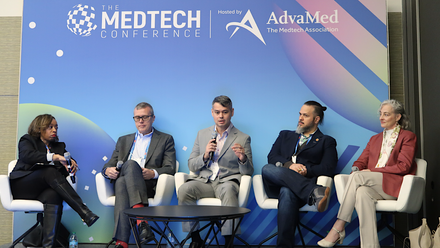
During the meeting, Gavin participated in a panel discussion with industry professionals and academic members focused on regulatory harmonization to address the challenges related to CMC in developing CGT products. The moderator invited Gavin to share her insights on how to expedite the development of these products.
Gavin mentioned that a significant barrier in product development is the lack of communication between clinical teams and CMC teams. This disconnect can hinder the progress of product development.
“The problem is that the CMC teams in industry are not really talking to the clinical teams. The clinical teams are coming to meet with us. They say, ‘We’re here for a BLA [biologics license application],’ and the CMC team comes in the same week and says, ‘We are getting ready for Phase 2, how do we get this running?’”
She emphasized that everyone has to be aligned with “where you’re going and how to get to the finish line.”
Unlike more traditional therapies, the CMC aspects of CGT development often occur simultaneously with the clinical development programs.
Gavin emphasized the importance of leveraging platform knowledge related to cell and gene therapy products.
“The platform can’t be approved, but the product that uses the platforms can be approved, and you can leverage tons and tons of information from those platforms,” she said.
Gavin mentioned that several gene therapy consortiums, including the National Institute of Health’s (NIH) Bespoke Gene Therapy Consortium and NIH’s Somatic Cell Genome Editing program are good sources of information for sponsors looking to gain more insights about the development of platforms.
She also stressed that CGT sponsors should also arrange to meet with FDA to discuss the different types of review pathways to help expedite product development.
“One of the things I want to emphasize is that FDA is a resource, and that we have implemented a number of programs to help with [product] development whether that is accelerated approval or priority review voucher, or breakthrough program. A number of these programs have really expedited clinical development” of these therapies, Gavin said.
She noted that the FDA is dedicated to collaborating with sponsors to develop these products and has conducted 400 meetings with gene therapy product sponsors this year.
She also urged gene therapy developers to refrain from making manufacturing process changes during the later stages of drug development.
“If you don’t have a consistent process, and we have run into this, products are approved and they made so many changes they can’t do comparability studies, so if you make changes to a product, do it early or do a robust comparability study,” she said.