

FDA oncology draft guidance aims to reduce animal testing
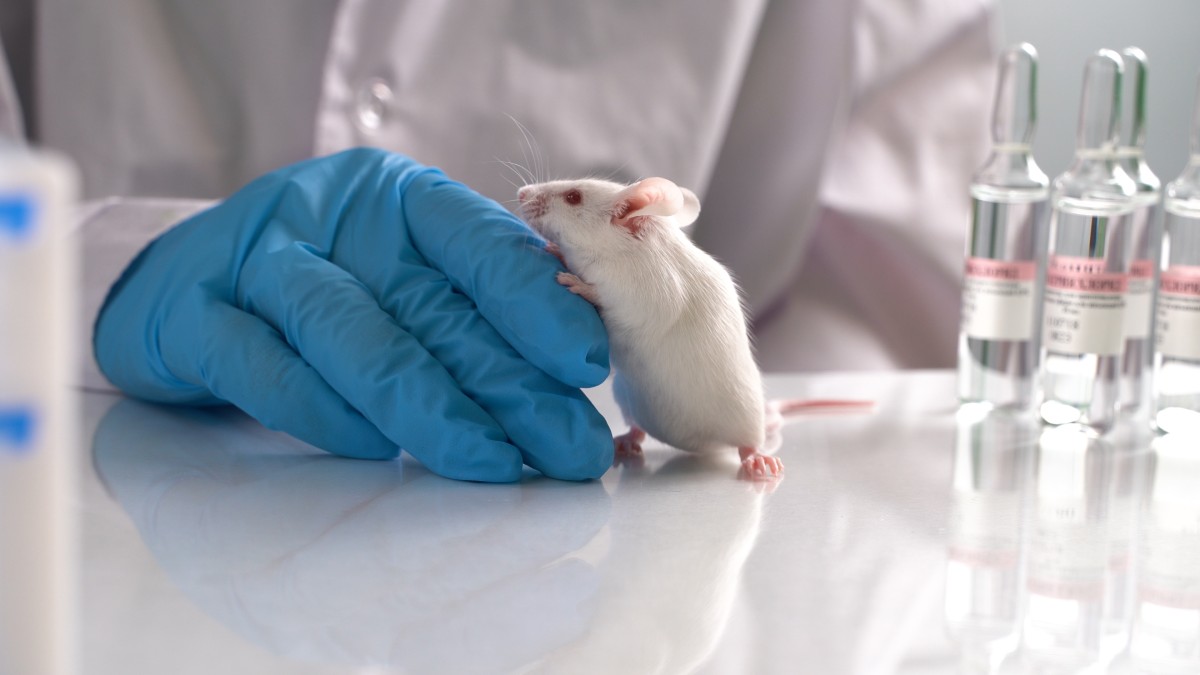
The US Food and Drug Administration (FDA) has proposed guidance to reduce the need for animal testing in the development of oncology drugs as part of its broader efforts to reduce animal testing in drug development.
“This draft guidance not only supports the FDA’s commitment to expedite regulatory pathways for meaningful treatments but also fulfills the agency’s promise to reduce the use of animal testing during drug development,” said Angelo de Claro, director of FDA Oncology Center of Excellence. “With recommendations for eliminating unnecessary animal testing, using a single relevant species instead of two, or replacing animal studies with evidence-based approaches — as outlined in this draft guidance — the FDA is advancing a more efficient drug development process.”
FDA said its recommendations are based on data analysis of general toxicology studies and on practices developed during the COVID-19 pandemic to reduce the need for non-human primate testing. The agency emphasized that, by using the risk-based assessment approach outlined in the guidance, it anticipates streamlining the oncology drug development process without compromising patient safety.
“This guidance provides recommendations for general toxicology studies with a primary focus on 3-month toxicology studies for certain oncology pharmaceuticals,” according to the draft guidance. The agency noted that the document supplements its guidance on nonclinical studies and labeling recommendations for oncology therapeutic radiopharmaceuticals, as well as two International Council for Harmonization (ICH) S9 guidances on nonclinical evaluation for anticancer pharmaceuticals. The guidance does not address nonclinical safety assessments for impurities or excipients.
“ICH S9 and ICH S9 Questions and Answers provide recommendations for nonclinical testing of oncology pharmaceuticals, including general toxicology studies,” the draft guidance states. “These guidances recommend that assessment of such products’ chronic effects may be based on 3-month studies in one or two animal species, which is sufficient to support continued clinical development and marketing for oncology pharmaceuticals.
“Sponsors may propose alternative approaches for a 3-month general toxicology study for product classes not described in this guidance, provided such approaches are sufficient to address product safety,” the guidance continues. “Such approaches for a 3-month general toxicology study may include a non-sacrificial toxicology study, an alternative study design to reduce animal numbers, or a weight of evidence (WoE) risk assessment for products with well-understood targets to replace an animal study.”
The proposed guidance comes more than two months after FDA published a draft guidance on transitioning from animal studies to non-animal alternative methodologies for drug development. In that proposed guidance, regulators asked companies to consider adopting new approach methodologies (NAMs), incorporating in vitro human-based systems, such as organs-on-chips and in silico modeling, to assess drug safety (RELATED: FDA drafts guidance on animal testing alternatives, Regulatory Focus 18 May 2026).
In the new proposed oncology guidance, FDA said that alternative approaches to toxicology studies could be supplemented with NAM methodologies. The agency also said that sponsors who propose alternative approaches not addressed in the guidance should provide appropriate scientific justification and relevant supporting data and discuss the approaches with regulators early.
The proposed guidance includes recommendations for conducting general toxicology studies and WoE risk assessments.
“When finalized, the guidance will provide recommendations for general toxicology studies, including when animal testing may be unnecessary because there is no binding or pharmacologic activity,” FDA said in a statement. “In some cases, the guidance recommends using rodent studies only or replacing three-month non-human primate studies with a weight-of-evidence risk assessment. That assessment may include New Approach Methodologies, as appropriate.”
Comments on the guidance can be submitted to www.regulations.gov under docket no. FDA-2026- D-2839 by 30 July.
