Makary announces one-day inspection pilot for low-risk facilities
Marty Makary, the Commissioner of the US Food and Drug Administration (FDA), announced a new pilot program promising one-day inspections for low-risk facilities on Wednesday.
The program will use artificial intelligence (AI) to identify facilities for these abridged inspections, which Makary touted as a “safety screening” at the Food and Drug Law Institute (FDLI) Annual Conference in Washington.
The program, FDA said, launched internally in April, and has so far evaluated 46 facilities via these one-day inspectional assessments.
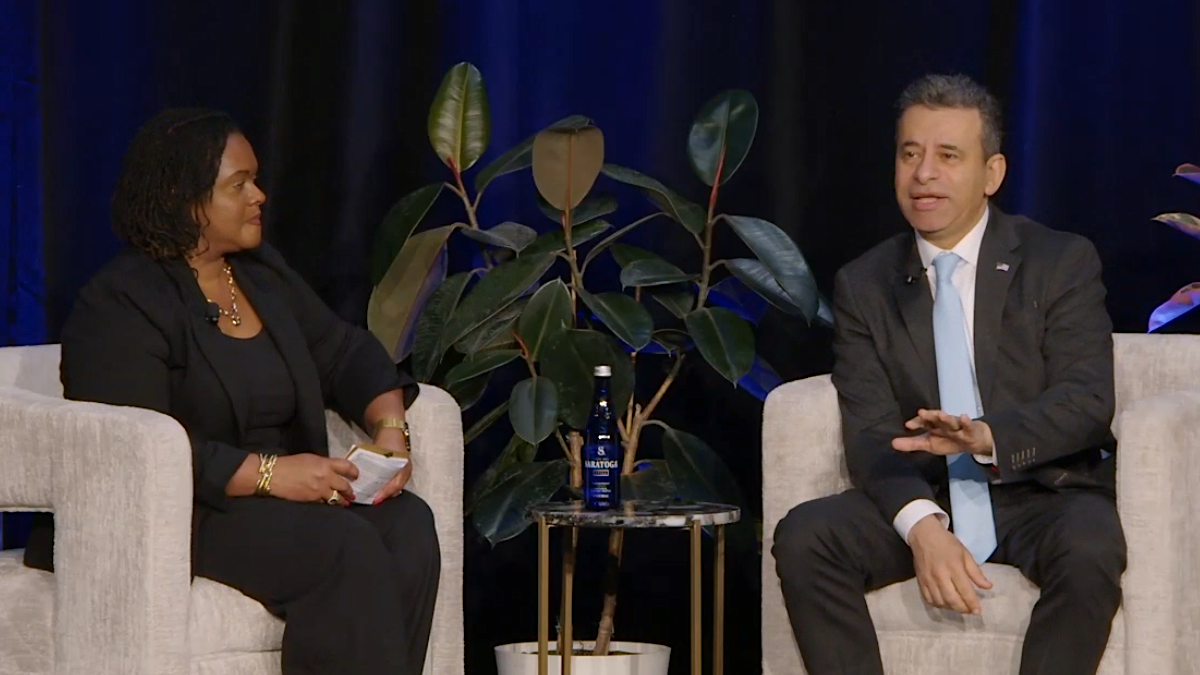
“Today, we are announcing a pilot of one-day screening inspections. We can do a one-day screening inspection of manufacturing facilities and if there are any safety issues on that one-day safety screening inspection, our inspectors reserve the right to extend it,” Makary said, adding that an AI tool will help identify low-risk facilities. “We are going to be doing more one-day inspections in both the US and abroad.”
In a statement, FDA said its ability to conduct shorter, targeted assessments allows for broader surveillance coverage. This approach, the agency said, enabled it to evaluate more facilities and gather critical insights without sacrificing regulatory rigor.
The pilot is being conducted across multiple FDA inspectorates, including human and animal foods, biologics, medical products, and clinical research programs. Facilities are selected using risk-based criteria such as product type, prior inspection outcomes, and operational characteristics.
According to FDA, out of 46 one-day assessments, most were compliant, resulting in a No Action Indicated (NAI) outcome.
The pilot program will continue through FY 2026, with further assessments planned across inspectorates. The FDA is developing evaluation metrics to assess effectiveness, including inspection duration, escalation rates, and the usefulness of findings in guiding risk-based decision-making.
Makary stated that this pilot program is one of 45 reforms implemented since he took charge of the agency last April. Other reforms include the consolidation of seven adverse event reporting systems into a single system. According to him, the savings generated from these reforms have enabled the agency to "reinvest in our scientific community,” enabling the agency to hire more scientists.
Psychedelics and other priorities
Moderator Vernessa Pollard, a partner at DLA Piper LLP and chair of the FDLI Board of Directors, asked Makary to comment on his priorities and initiatives.
“We have a very aggressive and bold agenda,” Makary responded.
Pollard then asked Makary to comment about the agency’s position on psychedelic drugs. “We are seeing in the news that the administration clearly has a focus on making access to alternative therapies and new therapies, and among them, psychedelics. Tell us your thinking on psychedelics and what is driving the interest in it, and what are the agency’s next steps in terms of creating a pathway?”
On 18 April, President Donald Trump signed an executive order promoting research and approval of psychedelic treatments for conditions such as post-traumatic stress disorder (PTSD), depression, and addiction.
Makary said that psychedelics appear to hold potential for patients, particularly veteran communities. “We have lost more veterans to suicide after the Iraq and Afghan wars” than from the actual wars. He added that “the battle is still raging in their minds.”
Makary said that he has heard “some powerful testimonies have come forth now in high enough numbers that we have to listen to these individuals” that these drugs work.
He explained that psychedelics are a class of drugs whose mechanisms of action are not easily understood. However, he mentioned that the FDA's psychiatry division has identified several drugs showing promise in treating mental health disorders. Additionally, he noted that there are other substances, such as steroids and lithium, for which the mechanisms of action are also unclear.
He emphasized that while this class of drugs is not fully understood, "just because we don’t understand this segment [of drugs] doesn’t mean it doesn’t help them. We can look at the results. When we hear the results, it is important to listen.”
Makary also reiterated his support for shortening the review process for investigational new drugs (INDS), a point he has made at earlier meetings. (RELATED: Makary stresses urgency to approve new treatments quickly, Regulatory Focus 30 April 2026)
Makary said these forthcoming reforms will be incorporated through FDA guidance and rulemaking. In addition, Makary said that FDA will update its website to include “a list of things you do not have to include in the IND applications. That will save companies a lot of time and money.”’’