Quality culture comes from the top, say experts
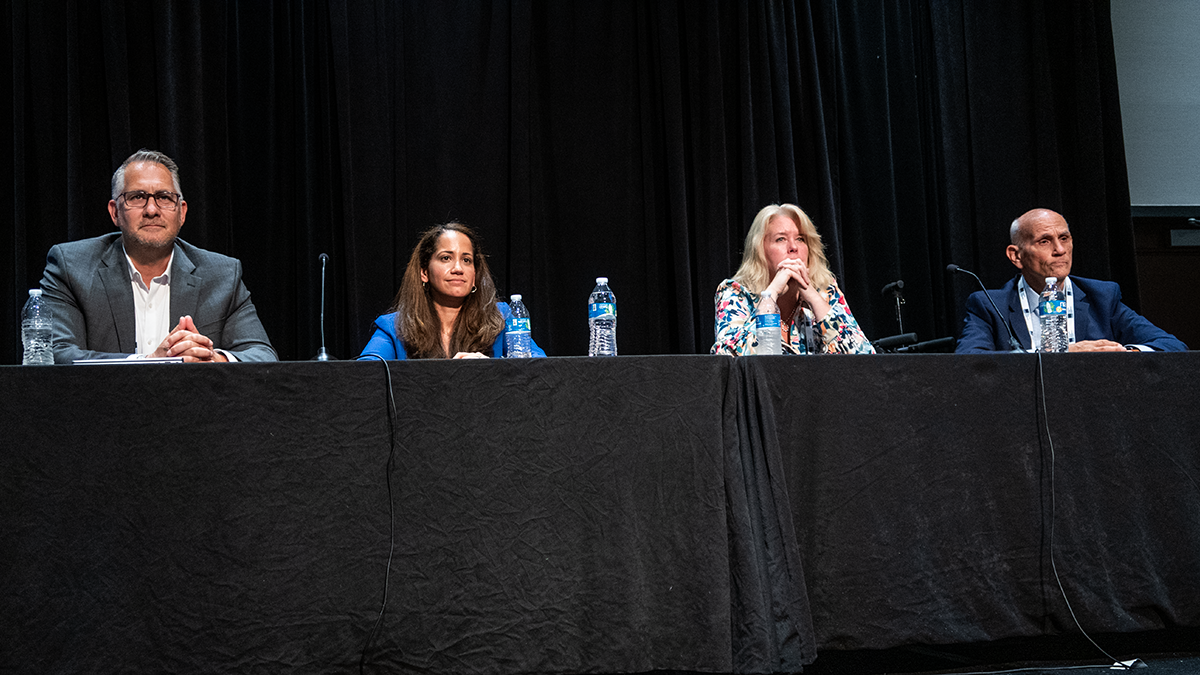
BALTIMORE – Experts who spoke at the RAPS Quality Conference on Wednesday said that a successful quality culture must come from the top and be continuously reevaluated. They added that employees need to feel empowered to ask questions and trust that their company is transparent with them.
Steven Niedelman, lead quality systems and compliance consultant to the FDA and Life Sciences practice at King & Spalding, said that to establish organizational expectations for developing a strong quality culture, there must be buy-in from the very top of the company. As a 34-year regulatory affairs veteran at the FDA, he cited a company he had found lacking in a strong quality culture when he was at the agency but later helped it as a consultant.
"The message from the very top, from the CEO down, was conformance and compliance to regulations and requirements," said Niedelman. "A culture of quality is paramount. Nothing is more important.
"It cascaded all the way down to the lowest production worker," he added. "There is nothing more important than coming into compliance and understanding the importance of quality throughout our organization."
Niedelman noted that companies often think about the cost of maintaining a quality culture but said they must remember that there is a cost to not having one.
"Those are the situations that result in recalls, enforcement actions, warning letters, etcetera," he added.
Kristen Hastings, senior director of quality at Haemonetics, said it's important to get company leaders on the same page about quality culture and to standardize the language the company uses in its operations.
Rose Lopez, vice president for quality at Evergen, chimed in, saying that it's not just important for companies to take stock of their quality culture, but also to periodically reflect on where they are and where they are heading. She noted that companies often take measures to improve their quality culture during remediation activities, but it's also important to have mechanisms in place to ensure they can sustain continuous improvement.
Lopez also emphasized the importance of buy-in from leadership and said that her company's CEO opens every business meeting by restating the company's quality policy and stressing that business decisions should be made based on it. She said the company has operationalized and socialized its quality culture, and it is even part of their sales and marketing decisions.
During the conference's opening plenary, Kerri DiPietro, chief quality officer at Integra LifeSciences, spoke about five levels of compliance that reflect a company's quality culture. While most attendees indicated they would grade themselves at level 2, Hastings said it's not realistic for companies to expect to move from level 2 to level 5 within a year. Instead, she said they need to develop roadmaps to keep track of their continuous improvements. (RELATED: Expert offers tips on developing a thriving quality culture, Regulatory Focus 9 June 2026)
"We have visible roadmaps, and those visible roadmaps are a continuum of three years," said Hastings. "There are one or two things that we're undertaking that move us in a continuous improvement space each year."
Niedelman agreed that it's important for companies to be realistic and identify one or two major projects each year that everyone in the company can get behind. He said they should make it their mantra for the year, and it will be easier for everyone to remember.
"Don't bite off more than you can chew, because then you're going to start seeing failures, you're going to feel downtrodden because you're not getting anywhere, because you're trying to do too many things at once," said Niedelman. "You need to prioritize."
Niedelman added that it may be tough at first to implement a roadmap to improve quality culture because there may be internal resistance. He said it's important to keep working at it and remind people how the change has ultimately helped the company.
"You're always going to have a few naysayers that you're going to have to drag along," said Niedelman. "Some of them will never get it, and maybe they shouldn't be part of your organization, and sometimes those people that fall by the wayside become examples to others as to the importance of what you're trying to do."
"It's important to be able to show this is where we work, look where we are now, look at the improvements, look at the reduction in recalls, look at the reduction in CAPAs. These have all been as a result of our initiatives and look how much easier it is to do your job because we're not putting out fires,” Niedelman said.
Hastings said that every year, her company hosts a week-long forum where it shares how its efforts have had a significant impact on patients and their families. She said it gives the company a chance to show the important role quality plays in how they serve others.
Lopez added that it's also important to remember that as new people join the company, they, too, need to be brought up to speed on the quality culture the company has implemented. She said that it's important to be transparent and create an environment where they are comfortable asking questions.
"The big thing is be careful that through all our standardization, that we don't actually take the power of thinking away from people, which is really what adds value to the organization as a quality organization," she added.