

BsUFA IV: Industry and FDA at impasse over reference product exclusivity
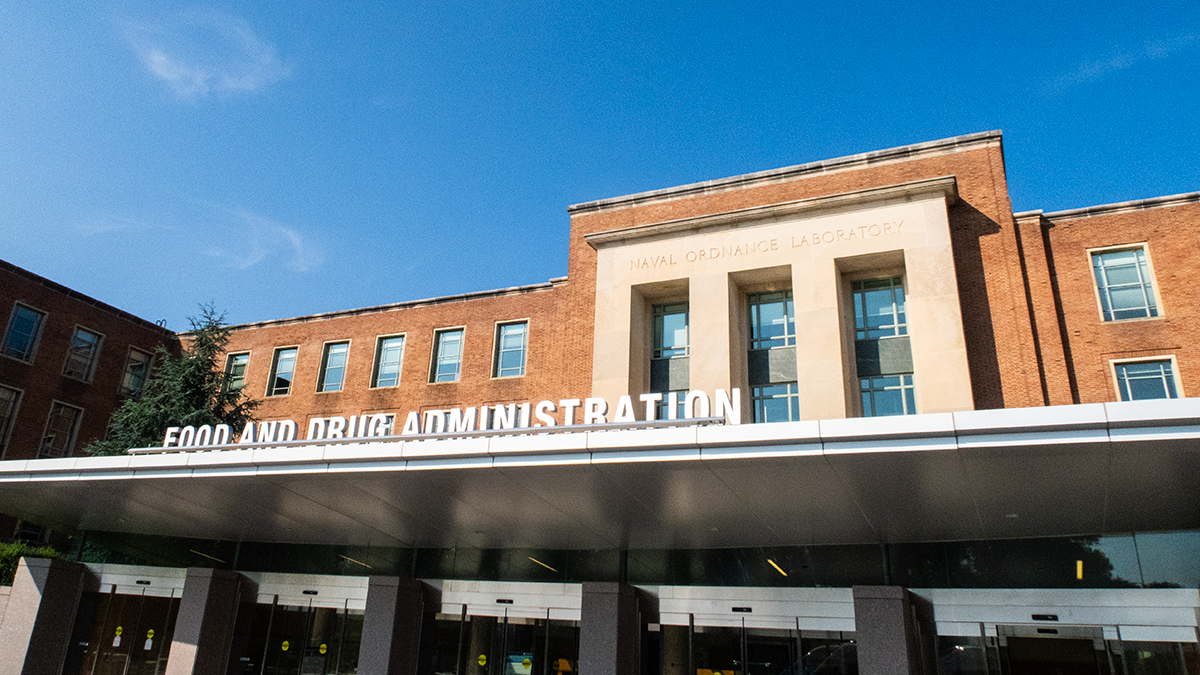
Officials from the US Food and Drug Administration (FDA) and pharmaceutical industry representatives could not reach an agreement on the number of reference product exclusions (RPE) to make each year, and agreed to table the issue until another meeting, according to the minutes from a recent discussion on reauthorizing the Biosimilar User Fee Act (BsUFA).
Under BsUFA IV, RPE refers to the exclusion of certain classes of biological products from the definition of a "biosimilar biological product application." Products subject to these exclusions are exempt from biosimilar user fees.
The exclusions apply to the following categories: whole blood or blood components intended for transfusion; allergenic extracts; in vitro diagnostic biological products; products intended solely for further manufacturing use; and bovine blood products used for topical application or large-volume parenteral (IV fluids) that were approved before 1 September 1992. The law does not specify the number of products that qualify for RPEs.
FDA and industry representatives met on 12 May to discuss the reauthorization of BsUFA IV for the fiscal years 2028 to 2032. During the meeting, officials discussed RPE and the industry's proposed inter-center consultative review process (ICCR). The meeting was attended by 22 FDA officials and 15 industry representatives.
Industry representatives noted that FDA’s counterproposal on RPE did not address their challenges. They stressed that RPE is a critical element for pipeline planning and long-term portfolio management and asserted that regulatory uncertainty surrounding RPE can deter and delay development, according to the minutes.
FDA officials expressed their willingness to publish a limited but unspecified number of RPE determinations each year and said these would be selected at the FDA's discretion.
Industry representatives expressed concern about the limited number of RPE determinations proposed by the FDA, calling them insufficient. They also raised concerns that RPE determinations would be at the agency's discretion, particularly because the FDA stated it would primarily focus on RPE determinations for products where the application of the statute is relatively straightforward.
Industry representatives requested that FDA consider an alternative approach, whereby a prospective biosimilar applicant could formally request an RPE determination, with the agency committing to an established timeline for making that determination.
FDA acknowledged that without limitations, the agency could be overwhelmed with requests, making it difficult to manage even with increased resources. They stated that creating a realistic process for addressing these requests is challenging and noted the difficulty in organizing a scientific review for handling RPE determinations, which involve complex legal and policy issues.
According to the minutes, “FDA acknowledged Industry's position, while noting that determining RPE remains a challenging policy issue and, in the agency's view, may not be addressable in the Commitment Letter.”
“The industry stated that this important issue requires a solution and mentioned they would provide further details on their counterproposal in an upcoming meeting,” the minutes note.
The FDA also provided a response to the industry’s ICCR proposal, which aims to ensure that all agency centers and divisions consulted for ICCRs adhere to the same BsUFA timelines specified in the commitment letter.
After a caucus, FDA stated that neither the Prescription Drug User Fee Act (PDUFA) nor the BsUFA commitment letter contains explicit language indicating that the agency is not “bound” by timelines specified in the various user fee acts and noted that adherence to these timelines is implied. The agency said it is not willing to adopt this language.
BsUFA, originally enacted in 2012, authorizes FDA to collect fees from biosimilar developers to help fund the agency’s review program. FDA and industry negotiate terms for the agreement and establish a set of performance goals and commitments for the five-year program; the BsUFA IV is now under consideration. User fee revenue expedites the process for reviewing biosimilar product submissions, including applications, supplements, notifications, responses, and meeting management.
