FDA cites Amazon and others for selling unapproved drugs, drugmakers for CGMP violations
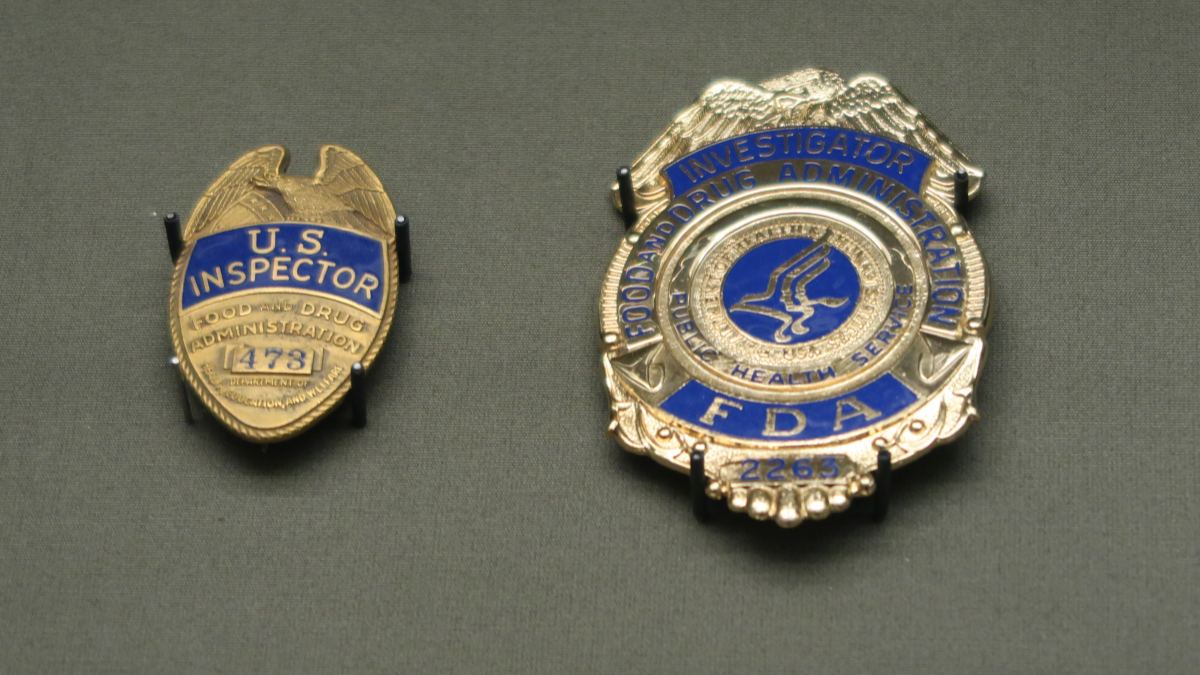
The US Food and Drug Administration (FDA) has cited several online companies, including retail giant Amazon, for selling products that have not been evaluated for safety and efficacy by regulators. It also warned a two drugmakers for failing to meet its current good manufacturing practices (CGMP) requirements, including falsifying laboratory testing data.
Amazon et al.
On 23 June, FDA published a slew of warning letters citing online retailers for marketing unapproved products intended to treat conditions such as cancer, phimosis, balanitis, prostate inflammation, and erectile dysfunction. Most notably among the companies that were issued a warning letter was Seattle-based Amazon, which was cited for selling three products to treat phimosis and balantis.
“Violations were identified and documented during review of the product labeling of products purchased on your website www.amazon.com in May 2026,” said FDA investigators. “FDA purchased ‘Vajraang Phimosis Mini Combo,’ ‘Penile Heal Cream,’ and ‘Beilloso Balanitis Relief Cream,’ through your website and these products were introduced or delivered for introduction into interstate commerce by Amazon via your Fulfillment by Amazon service.
“Based on our review, ‘Vajraang Phimosis Mini Combo,’ ‘Penile Heal Cream,’ and ‘Beilloso Balanitis Relief Cream’ are unapproved new drugs under section 505(a) of the Federal Food, Drug, and Cosmetic Act (FD&C Act), 21 U.S.C. 355(a),” the agency added.
FDA emphasized that Amazon was responsible for investigating and determining the root cause of the violations cited by its investigators, and for taking corrective and preventive actions (CAPA) to ensure compliance with regulations.
Warning letters citing online marketing for similar products were sent to Herbal Dermals, Wholesale Peptide, Hadassah Healing Oils, Texinkart, Wild Arabic Herbs, Indiangoods.shop, Leading Edge Health, Great India Overseas, JJLBRO, and MantroForce.
Huons
FDA sent warning letters to two companies for failing to meet its CGMP requirements, including Huons based in South Korea. Among the issues raised by agency investigators, the company was told that it failed to ensure it recorded all laboratory test data.
More specifically, when asked for test data, Huon told FDA investigators they could provide only a portion of the data due to critical breaches in data integrity, during which some of the failed data had been discarded. The agency also noted that it found almost 2,000 uncontrolled-CGMP-related forms, and some of the information had been falsified.
"Pages were removed from your logbook and replaced with newly fabricated pages," said FDA. "Your microbiology team leader admitted to using a knife to remove completed pages from the logbook.
"Logbook pages were then manipulated to look like the originals, and the microbiology team leader instructed the analyst to backdate and omit testing information related to bioburden samples," the agency added.
Huon told FDA that several people involved in the data manipulation had been fired, and it had established a data integrity team to rectify the issue. The agency, however, said that the response was insufficient because the company did not provide a CAPA plan with enough detail to ensure management oversight and data integrity.
In its warning letter, FDA said Huon failed to adequately investigate any unexplained discrepancies, batch failures, and component failures to ensure they metet specifications. The company was also cited for failing to follow procedures to ensure its sterile drug products are manufactured without microbiological contamination and for failing to properly maintain equipment used to ensure aseptic conditions.
"You had inadequate procedures for monitoring of your [redacted] gloves," said FDA. "Your procedures required sampling from [redacted] glove on ampoule filling line [redacted] at the conclusion of batch filling.
"In addition, your procedure lacked instructions that ensure all gloves are tested and specifying when they must be tested," the agency added. "In addition, your firm lacked sufficient procedures on how to clean [redacted] gloves, including but not limited to, provisions for adequate sporicidal disinfection frequency."
Jubilant HollisterStier
Canadian drugmaker Jubilant HollisterStier General Partnership was also issued a warning letter for failing to comply with CGMP requirements and, more specifically, to follow procedures to prevent microbiological contamination of its sterile final drug products. The agency found the design of its aseptic processing to be deficient and its smoke studies inadequate.
Jubilant HollisterStier was also cited for failing to investigate unexplained discrepancies, batch failures, and component failures. Some of the discrepancies included failing to investigate multiple action-level environmental monitoring excursions and failing to conduct investigations of potential contamination in a timely manner.
"Significant findings in this letter demonstrate that your firm does not operate an effective quality system in accord with CGMP," said FDA. "In addition to the lack of effective management oversight of your production operations, we found your quality unit is not enabled to exercise proper authority and/or has insufficiently implemented its responsibilities.
"Executive management should immediately and comprehensively assess your company’s global manufacturing operations to ensure that your systems, processes, and products conform to FDA requirements," the agency added.