FDA proposes rule to ease registration for distributed manufacturers, require foreign API sites to register
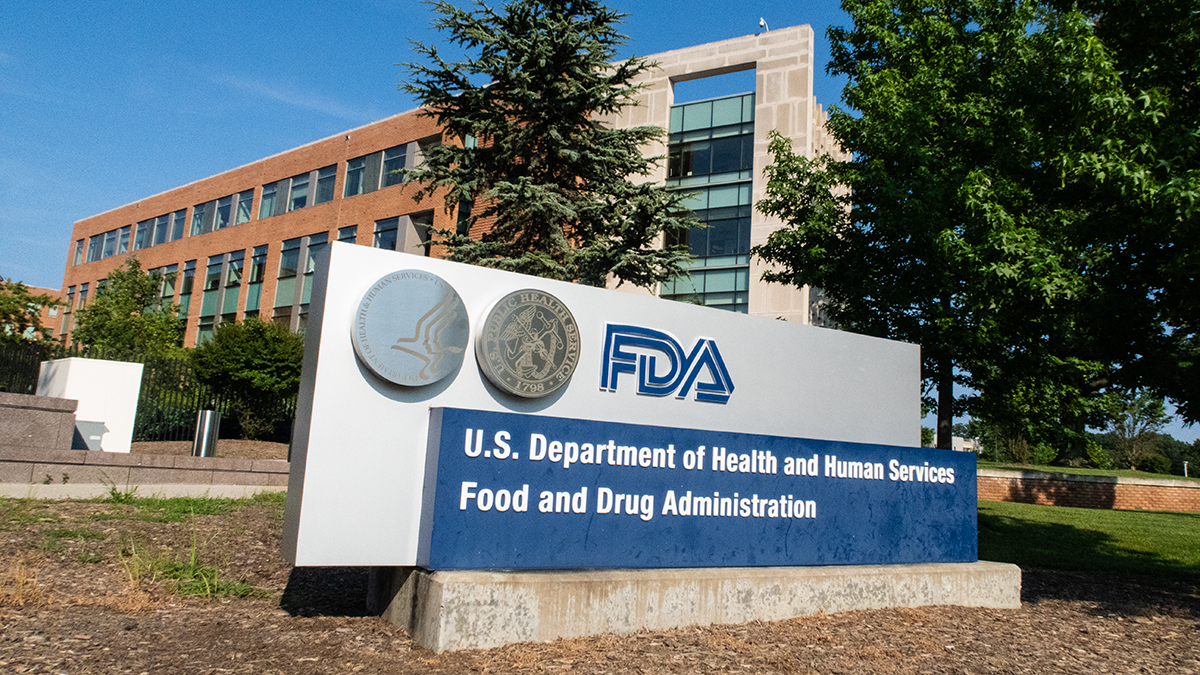
The US Food and Drug Administration (FDA) on Friday outlined a set of proposed reforms to advance modern manufacturing methods and increase supply chain visibility. In a proposed rule, the agency said it will enable distributed manufacturers to register as a single entity under a “hub-and-spoke” model and clarified when foreign establishments must register as a manufacturer.
“If finalized, the proposed rule is expected to reduce registration costs for distributed manufacturing companies and generate long-term efficiencies for both industry and the agency. It builds on a series of administration actions aimed at revitalizing American pharmaceutical manufacturing, improving supply chain transparency, and reducing vulnerabilities in the drug supply chain,” FDA said.
Current registration regulations require these hub-and-spoke models to register as separate establishments even though they operate as one establishment. The proposed regulations would allow these establishments to be streamlined into a single registration.
“The FDA is proposing changes to our establishment registration regulations that would reflect how distributed manufacturing actually works — as one single establishment,” said Michael Davis, acting director of FDA’s Center for Drug Evaluation and Research (CDER). “The proposed changes would make it easier for innovative manufacturers to operate efficiently, and give the FDA a clearer, more accurate picture of how and where drugs are being made.”
FDA stated that the current requirement for drug manufacturing establishments (DMEs) to submit multiple, separate registrations is “unnecessarily burdensome” for the industry and could hinder the adoption and implementation of distributed manufacturing.
FDA defines a distributed manufacturing (DM) model as a decentralized production strategy where a core manufacturing platform—consisting of raw materials, software, and equipment—is deployed across multiple manufacturing units across various locations.
The agency stated that it considered comments from a discussion paper released in October 2022 in developing the proposed rule. The white paper posed questions related to the technical aspects of DM technologies and compliance with good manufacturing practices (GMPs). (RELATED: FDA releases discussion paper on distributed and point-of-care manufacturing, Regulatory Focus 14 October 2022)
Clarifying foreign drug listing and registration requirements
The proposal also clarifies that foreign manufacturers, particularly facilities that produce APIs that ultimately enter the US drug supply chain through intermediate manufacturers, must register and list with FDA.
Current registration rules exempt foreign companies from registering their products with FDA if the drug undergoes additional manufacturing at another foreign establishment before reaching the US market.
However, Section 2511 of the PREVENT Pandemics Act, amended section 510(i) (21 U.S.C. 360(i)) of the Federal Food, Drug, and Cosmetic Act to require the registration of foreign establishments engaged in the manufacturing or processing of a drug that is imported into the US regardless of whether the drug undergoes further manufacturing at a different location outside the US.
FDA said this change is designed to give the FDA greater visibility into upstream manufacturing activities, enhancing its ability to identify and address potential supply chain risks.
“When an active ingredient in a medicine reaches an American patient, the FDA should be able to trace exactly where it came from,” said Davis. “Closing this registration gap for foreign establishments is a concrete step toward increasing the supply chain transparency that patients deserve.”