WHO issues guideline to curb environmental waste in pharmaceutical manufacturing
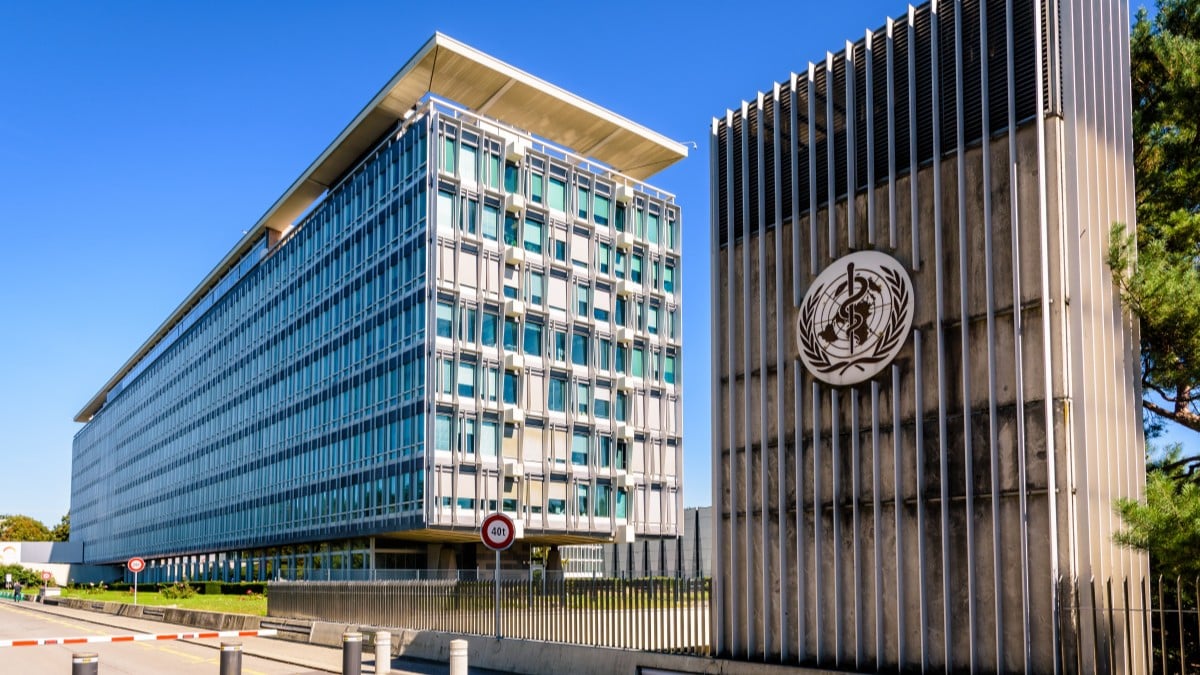
The World Health Organization (WHO) published a draft guidance this month that aims to assist regulators and pharmaceutical companies in integrating environmental sustainability strategies and metrics into pharmaceutical manufacturing.
The guideline states that “environmental sustainability is increasingly relevant to pharmaceutical manufacturing, as manufacturing activities may contribute to environmental impacts through the use of energy, water, raw materials and solvents, as well as through emissions, effluents and waste generation. These impacts may affect ecosystems, contribute to climate change and influence long-term public health outcomes.”
The agency said these approaches align with international frameworks, including the United Nations Sustainable Development Goals and its WHO initiatives on chemicals and health.
The 63-page guideline establishes a framework for reducing environmental waste in pharmaceutical manufacturing. The document covers various topics, including organization and management; sustainable research and development; managing sustainable facilities, utilities, and equipment; training; cleaning and waste management; and using environmental sustainability strategies and metrics. The guideline also provides examples of metrics for measuring environmental sustainability.
The guideline states that “regulatory authorities and manufacturers should work towards the progressive integration of environmental sustainability considerations into pharmaceutical manufacturing oversight, without compromising product quality, patient safety, data integrity, supply continuity or compliance with applicable GMP requirements.”
WHO emphasized that regulators should establish clear expectations for documenting these environmental strategies, including assessing and reviewing environmental sustainability strategies and metrics, and reviewing evidence of senior management’s commitment to environmental sustainability. The organization also said they should consider using environmental performance indicators and risk assessments for sustainability-related changes.
The environmental performance indicators in the guidance include several key metrics: Process Mass Intensity (PMI), and the environmental factor (E-factor), which is a green chemistry metric that assesses the efficiency of a chemical manufacturing process, energy use intensity, water use intensity, solvent use and recovery rates, and carbon footprint.
Manufacturers should ensure that environmental sustainability initiatives are governed by established quality systems according to the proposal. These systems should include change control, deviation management, corrective and preventive actions, validation, qualification, and supplier qualification and management review, as applicable.
WHO said that measures may include optimizing HVAC systems, managing cleanroom operations, and adjusting air-change rates. Improvements can also be made to utility systems such as steam, compressed air, chilled water, purified water, and water-for-injection systems to minimize losses and reduce unnecessary resource consumption. Additionally, identifying and correcting leaks, heat losses, and inefficient equipment operation is essential.
The guidance also encourages companies to apply sustainable design principles throughout pharmaceutical development and technology transfer. This can include evaluating alternative synthetic routes, selecting appropriate solvents, implementing process intensification, utilizing flow chemistry, adopting continuous manufacturing techniques, minimizing the cleaning burden, using lower-impact packaging, and enhancing resource efficiency.
WHO is accepting comments on the guidance through its online platform with a deadline for submission of feedback by 5 August. The organizatons plans to have a revised working document incorporating feedback ready for its Expert Committee on Specifications for Pharmaceutical Preparations (ECSPP) by September 2026.